

At Dentistry of Sugar Land, we combine modern technology with thoughtful, patient-centered care to restore teeth that are damaged, weakened, or cosmetically compromised. Our approach emphasizes predictable results, materials that look natural, and procedures designed to preserve as much healthy tooth structure as possible.
Although dental enamel is the hardest substance in the body, teeth remain vulnerable to decay, cracks, and wear from daily use and lifestyle habits. When a simple filling is no longer sufficient to rebuild a tooth’s form and strength, a full-coverage restoration — a crown — becomes the most reliable way to protect function and appearance.
Recent advances in dental ceramics have transformed crowns into solutions that are both durable and lifelike. All-ceramic crowns eliminate the metal substructure used in older designs, offering advantages in translucency, tissue compatibility, and long-term aesthetics while still meeting modern demands for strength and longevity.
Every treatment plan we propose is tailored to the individual. We balance functional need, aesthetic goals, and long-term stability so patients leave with restorations that feel comfortable, perform well, and blend seamlessly with their natural teeth.
All-ceramic crowns are manufactured from dental-grade ceramic materials rather than metal or metal-backed porcelain. These ceramics are engineered to recreate the optical properties of natural enamel — translucency, depth of color, and surface luster — while providing enough strength for everyday chewing forces. The result is a restoration that looks natural at multiple angles and under varied lighting conditions.
Fabrication today often uses digital workflows: precise intraoral scans or digital impressions capture the tooth anatomy, and CAD/CAM software designs the crown to exact specifications. The restoration can be milled in-office or from a trusted dental laboratory and then finished by hand to match neighboring teeth. This combination of technology and craftsmanship yields predictable and consistent outcomes.
Because these materials are metal-free, they are an excellent choice for patients who want a fully aesthetic solution or who have sensitivities to metal. In many cases, less tooth reduction is needed compared with older crown types, which helps preserve more of the natural tooth and supports a longer-lasting result.
A crown becomes the recommended option when a tooth’s remaining structure cannot reliably support a filling or when the tooth needs full protection. Crowns distribute biting forces across the entire tooth, reducing the risk of fracture and helping to maintain proper bite relationships. They are also used when a tooth’s shape or color requires correction for a more harmonious smile.
Common situations where a crown is favored include teeth with extensive decay, fractures that compromise structural integrity, or following root canal therapy where the remaining tooth becomes brittle. Crowns are also used to restore dental implants and to support fixed bridges in areas where a single missing tooth or several adjacent teeth must be replaced.
Deciding between a crown and other restorative options depends on several factors: how much healthy tooth remains, the tooth’s position in the mouth, functional demands, and cosmetic expectations. During your consultation, we evaluate these elements and discuss the trade-offs so you can make an informed choice tailored to your smile and lifestyle.
Rebuilding a tooth with extensive structural damage from decay or trauma
Replacing a large or broken filling that can no longer provide a reliable seal
Restoring a dental implant with a lifelike crown
Providing full coverage for abutment teeth that support a traditional bridge
Protecting and strengthening a tooth after root canal treatment
Improving the appearance of a misshapen, undersized, or severely discolored tooth
Addressing functional issues that affect your bite and chewing comfort

Ceramic crowns are prized for their ability to closely mimic natural teeth. Their layered or monolithic structures interact with light in a way that provides depth and translucency, which is especially important for visible front teeth. Color matching and surface characterization allow skilled ceramists to reproduce subtle enamel nuances so the restoration blends seamlessly with adjacent teeth.
Beyond aesthetics, contemporary ceramic materials offer excellent resistance to wear and staining. They are also kinder to the surrounding soft tissues, reducing the likelihood of gum irritation commonly seen with older metal-based restorations. For patients concerned about metal allergies or sensitivities, a metal-free crown removes that potential source of reaction.
From a practical standpoint, some ceramic systems require less aggressive tooth reduction, preserving more natural structure. Depending on the material chosen, crowns can withstand the forces of posterior chewing or be optimized for maximum translucency in the smile zone. This versatility makes ceramic crowns a flexible solution across many clinical situations.
These benefits contribute to long-term satisfaction: a restoration that both performs well and supports a confident smile contributes to oral health and patient comfort over time.
Exceptional aesthetics that mimic natural enamel translucency and sheen
Conservative tooth preparation options with some modern ceramic systems
Metal-free composition, suitable for patients with metal sensitivities
Lightweight restorations that avoid visible metal margins at the gumline
Resistance to staining and discoloration for a lasting appearance
Gentle response from adjacent gum tissue due to improved biocompatibility
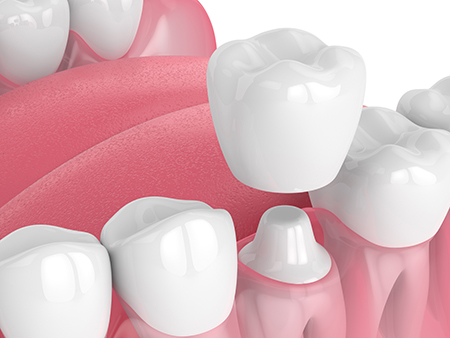
Not all ceramic crowns are the same. The right material depends on the tooth’s location, the amount of bite force it must endure, and how much emphasis is placed on visual appearance. For a front tooth, translucency and fine color detail are often the priority. For a molar, strength and fracture resistance take precedence.
Common ceramic options include lithium disilicate, which balances strength with high translucency for the smile zone; pressed leucite-reinforced porcelains, valued for their aesthetic layering; and zirconia, available in monolithic or layered forms, which provides exceptional strength for posterior restorations. High-translucency zirconia offers a middle ground for cases that require both durability and a more natural look.
Choosing the appropriate type of ceramic is a collaborative process between clinician, dental technician, and patient. We consider bite dynamics, neighboring tooth color, and long-term maintenance when recommending a material. Where necessary, we also discuss the benefits of custom shading and glazing to achieve the most natural integration with your smile.
Ultimately, selecting the right ceramic ensures your crown performs well for years while maintaining an appearance that complements your overall facial aesthetics.
Lithium Disilicate porcelain — strong and highly aesthetic for front and select posterior cases
Leucite-reinforced pressable porcelain — excellent for layered esthetics and detailed color work
Solid (monolithic) zirconia — robust and fracture-resistant, ideal for high-stress posterior teeth
High-translucent zirconia — designed to balance strength with improved natural translucency

The process for placing a ceramic crown typically begins with a thorough evaluation, including digital imaging and bite analysis. Preparing a tooth for a crown involves shaping it to receive the restoration while conserving as much healthy structure as possible. Digital scans or impressions are then taken to ensure a precise fit and accurate shade matching.
Depending on the chosen workflow, a temporary restoration may be placed while the final crown is fabricated. When the completed crown is returned from the laboratory or milled in-office, we carefully evaluate fit, contacts, color, and occlusion before permanently cementing the restoration. Proper adjustment and polishing are essential to ensure the crown functions comfortably and harmonizes with adjacent teeth.
Experience matters at every step: from the initial diagnosis to the final adjustments. Clinician expertise in preparation technique, digital design, and occlusion combined with the ceramist’s skill in characterization and glazing produces the most natural, long-lasting outcomes. Our team prioritizes clear communication so you understand each stage and what to expect during recovery and maintenance.
With proper home care and routine dental visits, ceramic crowns can offer many years of reliable service while preserving the health of surrounding teeth and tissues.
Our practice emphasizes conservative, evidence-based restorations that blend form with function. We take pride in selecting materials and techniques that align with each patient’s functional needs and aesthetic preferences. From digital planning to the final polish, our goal is to deliver durable crowns that look and feel like natural teeth.
We collaborate closely with skilled dental laboratories and use current digital tools to improve precision and predictability. Patient comfort, clear explanations, and careful follow-up are part of our standard of care. When a crown is the best path to restore a tooth, we aim for a result that supports oral health and confidence for the long term.
If you have concerns about a damaged, worn, or discolored tooth, a ceramic crown may be an excellent option to restore function and appearance. Our team will walk through your options, explain the material considerations, and recommend a plan best suited to your smile.
For more information about ceramic crowns or to discuss whether a crown is the right solution for your tooth, please contact us for additional details and guidance.


While a dental filling is designed to replace a portion of a decayed or damaged tooth, a dental crown offers full coverage to restore the tooth’s entire outer surface. A well-fitting dental crown not only protects and strengthens the underlying tooth structure, but it also restores the tooth’s appearance and function.
The procedure for getting an all-ceramic crown is much like the procedure for getting any other type of crown. In all cases, the tooth needs to be prepared, an impression taken, and a permanent crown cemented into place. A single all-ceramic crown can typically be fabricated over the course of two visits. However, with CAD/CAM technology, a same-day crown can be fabricated from start to finish in a single visit. With the first approach, a temporary crown is typically worn until the second visit, when the permanent restoration is placed. As with every treatment plan, our office will explain your best options in care.
As the name implies, a temporary crown is only worn for a short time until the permanent crown is placed. A temporary crown is typically fabricated from durable tooth-colored dental acrylics. While designed to protect the underlying tooth between appointments, and until your new permanent crown gets placed, a temporary crown is also fabricated to look like a natural tooth and maintain the look of your smile.
While you should feel better having an attractive and functional tooth to restore your smile, your tooth may feel a little sensitive following treatment. This initial sensitivity will subside. We take great care to make sure your new restoration looks great, fits well, and your bite is perfect. However, we’re always happy to make any minor adjustments to ensure your comfort.
With some exceptions, teeth with root canal procedures are typically restored and protected from further damage with a full-coverage crown. Based on what’s best for your smile, our office will recommend the most appropriate restoration to maintain the health and longevity of your tooth following a root canal procedure.
A dental crown is a long-term restoration that, if properly cared for, can serve you well for many years to come. Once your new crown is placed, it requires the same brushing, flossing, and periodic checkups as your natural teeth. Avoid biting your fingernails and chewing on hard or sticky objects such as ice, pencils, or taffy, which can damage or loosen your crown. Remember, clenching and grinding your teeth puts excessive pressure on both natural teeth and dental restorations. Unless treated, this habit can compromise the longevity and integrity of your dental work, including crowns.
Although your new all-ceramic crown restores the tooth's strength, form, and function, you can still develop dental disease in the absence of proper care. To prevent gum disease and tooth decay, it’s essential to brush and floss as instructed and see our office for routine checkups, cleanings, and care.
How long a dental crown lasts depends on various factors, including your level of oral care, diet, and oral habits. While the standard answer is that dental crowns can last anywhere from 5 to 15 years, existing literature confirms that most dental crowns remain in place at 15 to 20 years.
At the office of Dentistry of Sugar Land, we strive to provide the highest quality of care to address all your dental needs. Once we’ve had the opportunity to examine your smile, we can give you a clear picture of any dental issues that are present, along with a quote for how much treatment will be. The cost of dental crowns can vary a little, depending on the type of crown and its location. Our goals are to provide the highest quality of care and help patients begin treatment without additional financial stress or delay. We’re always happy to answer all your questions on dental insurance coverage, available financing, and payment plans.
Coverage for all-ceramic crowns depends on your dental insurance plan. Today, many dental plans provide some level of coverage for all-ceramic crowns. At the office of Dentistry of Sugar Land, we work with patients to optimize their dental benefits and get the care they need to maintain healthy and beautiful smiles!
Ceramic crowns are full‑coverage dental restorations fabricated from dental‑grade ceramic materials to restore a tooth's form, function, and appearance. They are designed to encase the visible portion of a prepared tooth and provide structural support when a filling is insufficient. Because they are crafted to mimic natural enamel, ceramic crowns are commonly used when aesthetics and durability are both important.
Ceramic crowns differ from older metal‑backed options by being metal‑free, which improves translucency and avoids dark margins at the gumline. Modern ceramics can be layered or monolithic depending on the visual and strength needs of the tooth. The goal is to deliver a restoration that blends seamlessly with adjacent teeth while protecting the remaining tooth structure.
All‑ceramic refers to crowns made entirely from ceramic materials without a metal substructure, allowing light to pass through similarly to natural enamel. Fabrication often uses a digital workflow: intraoral scans capture precise tooth anatomy, CAD/CAM software designs the restoration, and the crown is milled or produced in a laboratory before final characterization. Skilled finishing by a dental technician ensures color matching, surface texture, and glaze are appropriate for the patient.
The metal‑free composition improves tissue compatibility and aesthetics, and many ceramic systems require less aggressive tooth reduction compared with metal‑ceramic crowns. Digital design improves fit and occlusion, reducing chair time for adjustments. Combining technology with ceramic science yields predictable results that meet both functional and cosmetic demands.
A ceramic crown is recommended when a tooth has extensive decay, a large broken filling, a fracture that compromises structural integrity, or when the tooth needs full coverage after root canal treatment. Crowns are also appropriate for restoring dental implants or supporting a fixed bridge when adjacent teeth must be joined for a longer span. When a filling cannot reliably restore form and strength, a crown provides full‑coverage protection and helps distribute biting forces.
Deciding between a crown and alternative restorations depends on how much healthy tooth remains, the tooth's position, functional demands, and cosmetic goals. During an evaluation we assess these factors, review imaging and bite dynamics, and discuss material choices. This collaborative process helps select a solution that balances longevity, function, and appearance for your smile.
Common ceramic options include lithium disilicate, leucite‑reinforced porcelains, and zirconia, each offering a different balance of strength and translucency. Lithium disilicate is prized for its combination of aesthetics and adequate strength for many anterior and select posterior cases. Leucite‑reinforced porcelains excel in layered esthetics, while zirconia is known for exceptional fracture resistance and is often chosen for high‑stress posterior teeth.
Within zirconia options, high‑translucency formulations provide improved visual integration for cases needing both durability and a more natural look. Material selection is guided by the tooth's location, bite forces, and aesthetic priorities, so the clinician and technician choose the ceramic that best meets those criteria. Proper material matching helps ensure the restoration performs well and matches surrounding teeth over time.
The crown process begins with a thorough evaluation that typically includes digital imaging, intraoral scanning or impressions, and bite analysis to plan the restoration precisely. Preparing the tooth involves shaping it to receive the crown while preserving as much healthy structure as possible, followed by shade selection and fabrication of a temporary restoration if needed. Digital workflows often speed the design and milling phases, and a trusted laboratory or in‑office milling unit produces the final crown.
At Dentistry of Sugar Land we verify fit, contacts, occlusion, and color at the try‑in appointment before permanently cementing the restoration. Final adjustments and polish are completed to ensure comfortable function and a natural appearance. We provide care instructions and schedule follow‑up to confirm the crown is performing well within your bite and oral environment.
The longevity of ceramic crowns depends on material choice, oral hygiene, bite forces, and regular professional care; with proper maintenance many ceramic crowns provide reliable service for many years. Good oral hygiene, including brushing twice daily with a nonabrasive toothpaste and daily flossing, helps prevent decay at the crown margins and preserves surrounding gum tissue. Avoiding excessive forces such as chewing ice or using teeth as tools reduces the risk of fracture.
Regular dental checkups allow your clinician to monitor crown integrity, contacts, and the health of supporting structures so problems can be addressed early. If you grind or clench, a night guard can protect crowns and natural teeth from excessive wear. Promptly reporting any sensitivity, looseness, or changes in fit helps ensure timely care and extends the restoration's useful life.
Ceramic crowns are frequently used after root canal therapy to protect and strengthen the remaining tooth structure, particularly when a significant portion of the tooth is missing. In endodontically treated teeth, the dentist may place a post and core or use alternative buildup techniques before crowning to ensure adequate support. Crowns restore function and help prevent fracture in teeth that have been weakened by prior decay or treatment.
Ceramic crowns are also suitable as the visible portion of an implant restoration when paired with the appropriate abutment and implant system. Material choice and crown design are coordinated with the implant components and esthetic demands to achieve a natural result. Your clinician will evaluate the implant platform, soft tissue contours, and occlusion to determine the optimal crown type for long‑term success.
Like any restoration, ceramic crowns carry potential risks such as marginal leakage if the fit or cementation is inadequate, sensitivity during the healing period, and the possibility of ceramic fracture under excessive force. Gum irritation is uncommon with modern ceramics but can occur if margins are overextended or if hygiene is insufficient. Changes in bite or new parafunctional habits can also lead to discomfort or accelerated wear.
Many complications are preventable through careful diagnosis, precise preparation, accurate digital or laboratory fabrication, and proper cementation. If a crown chips or loosens, the clinician evaluates whether repair, recontouring, or replacement is necessary based on the extent of the issue. Ongoing maintenance and timely assessment of bite dynamics help reduce long‑term risks and protect surrounding teeth.
Selecting the right ceramic involves evaluating the tooth's location, the forces it will endure, the amount of remaining tooth structure, and the patient's aesthetic goals. Anterior teeth often prioritize translucency and detailed shading, while posterior teeth require greater fracture resistance and may benefit from stronger monolithic ceramics. The clinician discusses these trade‑offs with the patient and considers imaging, bite records, and neighboring tooth color when making a recommendation.
The choice also reflects laboratory capabilities and the clinician's experience with specific materials, because technician characterization plays a major role in final appearance. When necessary, custom shading, glazing, and surface texture are specified to ensure seamless integration with adjacent teeth. This collaborative approach helps achieve a balance between durability and lifelike aesthetics for each individual case.
Dentistry of Sugar Land emphasizes conservative, evidence‑based restorative approaches that prioritize preserving healthy tooth structure while delivering predictable, natural results. Our team integrates digital tools and close collaboration with experienced dental laboratories to improve fit, shade matching, and overall function. Clear communication about treatment options and care expectations is part of how we ensure patients understand each step of the process.
We focus on long‑term oral health by combining clinical expertise with careful follow‑up and maintenance recommendations so crowns remain functional and esthetic over time. Patient comfort, precise workmanship, and attention to occlusion and tissue health guide our crown planning and placement. If you have questions about whether a ceramic crown is the right option, our office can provide a focused evaluation and individualized plan.
Ready to schedule your next dental appointment or have questions about our services?
Contacting Dentistry of Sugar Land is easy! Our friendly staff is available to assist you with scheduling appointments, answering inquiries about treatment options, and addressing any concerns you may have. Whether you prefer to give us a call, send us an email, or fill out our convenient online contact form, we're here to help. Don't wait to take the first step towards achieving the smile of your dreams – reach out to us today and discover the difference personalized dental care can make.
