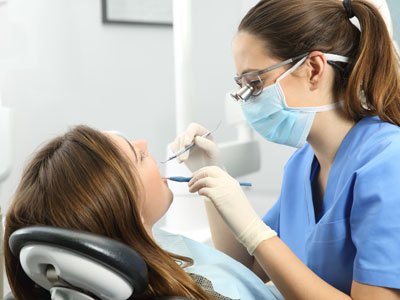
Keeping your smile healthy starts at home, but even the most careful daily routine can miss the tight spaces where plaque and bacteria linger. Professional dental cleanings remove buildup that regular brushing and flossing may not reach, lowering the risk of decay and gum disease while helping your teeth look and feel their best. This page explains what cleanings accomplish, how they’re performed, what you can expect during an appointment, and how to get the most from each visit.
Daily brushing and flossing are essential, but plaque hardens into tartar in as little as 24–72 hours in some areas. Once tartar forms, it bonds to enamel and can only be removed with professional instruments. Regular dental cleanings break this cycle of buildup, preventing surface stains and making your at-home routine more effective by eliminating the rough deposits that attract more plaque.
Cleanings also play a preventive role for your overall health. The mouth is an entry point to the body, and chronic inflammation in the gums can complicate other medical conditions. By keeping bacterial levels under control and reducing inflammation, routine cleanings contribute to a healthier oral environment that supports systemic wellness.
Finally, professional cleanings offer an opportunity for early intervention. During these visits, the dental team can spot the first signs of enamel erosion, cavities, or gingival changes that are not yet symptomatic. Addressing issues early generally means simpler treatment and better long-term outcomes.
A professional cleaning is a methodical process designed to remove deposits, smooth tooth surfaces, and refresh the mouth. Hygienists begin with a visual exam and then use scalers—either hand instruments or ultrasonic devices—to dislodge plaque and tartar. Ultrasonic scalers combine gentle vibrations with a water spray to lift deposits away, while hand instruments refine areas where machines can’t reach.
After removing deposits, the hygienist polishes the teeth to remove surface stains and smooth any remaining roughness. Polishing also creates a cleaner surface that is less likely to retain plaque between visits. If needed, fluoride varnish or a topical treatment may be applied to strengthen enamel and further reduce the risk of decay.
Throughout the appointment, clinicians monitor your comfort and respond to sensitivity with simple measures like adjusting technique, using topical desensitizers, or pausing for breaks. Our focus is to deliver thorough care while keeping the experience as comfortable and efficient as possible.
A routine cleaning visit usually begins with a brief review of your medical history and any changes in your oral health or medications. Next comes the examination of your teeth and gums, including a periodontal assessment to check for pockets or inflammation. This step helps the team decide which cleaning approach is appropriate for your needs.
The cleaning itself is performed with careful attention to technique and comfort. Scaling removes hardened deposits, followed by polishing to lift stains and smooth surfaces. The clinician may finish with home-care coaching—demonstrating brushing and flossing techniques, recommending the best tools for your situation, or suggesting small habit changes that yield big results.
Most routine cleanings are completed without anesthesia and cause minimal discomfort. If you have heightened sensitivity, a history of periodontal disease, or other concerns, the team will adapt the appointment to protect your comfort and ensure effective results.
Healthy gums are the foundation of a stable smile. Plaque that collects along the gumline can trigger inflammation, causing gingivitis—characterized by redness, swelling, and bleeding. Regular cleanings help reverse early gingivitis by removing the bacterial film that provokes this response and allowing gum tissue to heal.
If gum disease advances to periodontitis, deeper pockets can form and bone supporting the teeth may be affected. Cleanings become more targeted in these cases: periodontal maintenance visits focus on cleaning below the gumline and monitoring pocket depths to limit progression. Early and consistent care is the most reliable way to preserve gum health and prevent complex interventions.
In addition to in-office treatment, the hygienist will often work with you to establish an effective at-home plan tailored to your gum health, which may include specialized brushes, interdental cleaners, or frequency adjustments to your recall schedule.
Professional cleanings are most effective when combined with consistent home care. Aim to brush twice daily with a fluoridated toothpaste and clean between teeth once a day using floss or interdental brushes. Small changes—like angling your brush to reach the gumline or spending an extra 30 seconds on each quadrant—can make a measurable difference over time.
Diet and lifestyle also influence oral health. Frequent snacking on sugary or acidic foods promotes plaque formation and enamel erosion, while tobacco use increases the risk of gum disease and staining. Hydration, balanced meals, and limiting fermentable carbohydrates help maintain a cleaner oral environment between visits.
Finally, communicate openly with your dental team about sensitivity, bleeding, or changes you notice. These signals can guide the frequency and type of professional care you receive. Many patients benefit from a personalized recall schedule based on their risk profile rather than a rigid “one size fits all” timetable.
At Dentistry of Sugar Land, our goal is to pair exceptional clinical technique with practical guidance so you leave each appointment with a cleaner mouth and clearer plan for maintaining it. Routine cleanings are a cornerstone of preventive care—simple, effective steps that protect your smile for years to come.
If you have questions or would like more information about dental cleanings and preventive care, please contact us to speak with a member of our team. We’re happy to help you understand your options and prepare for your next visit.


Professional dental cleanings are clinical appointments in which a licensed hygienist or dentist removes plaque, tartar and surface stains from the teeth using specialized hand instruments and ultrasonic scalers. These cleanings reach tight spaces and below the gumline where daily brushing and flossing may not remove hardened deposits. Removing these deposits lowers the risk of cavities and gum inflammation and helps keep enamel and restorations in better condition.
Beyond cosmetic benefits, routine cleanings allow clinicians to monitor oral health and identify early signs of problems such as enamel erosion, small cavities or gingival changes. Early detection usually means simpler, less invasive treatment and better long-term outcomes. At Dentistry of Sugar Land, we combine careful technique with patient education so each visit supports both immediate cleanliness and long-term prevention.
The traditional recall interval is every six months for many patients because this frequency balances plaque control and early detection for a typical risk profile. Individual needs vary, however, and factors such as a history of periodontal disease, dry mouth, smoking, diabetes or heavy plaque buildup may require more frequent visits. Your dental team will assess your risk during exams and recommend a personalized recall schedule to protect your oral health.
Risk-based recall helps direct preventive resources where they matter most and reduces the likelihood of disease progression between visits. A tailored schedule also allows the hygienist to monitor changes in pocket depths, tissue healing and restoration integrity more closely when necessary. Staying current with the recommended intervals ensures cleanings remain effective and efficient for your situation.
A routine cleaning typically begins with a brief review of your medical history and a periodontal assessment to measure gum pocket depths and check for inflammation. The clinician then uses ultrasonic and hand scalers to remove plaque and tartar, polishes the teeth to lift surface stains and may apply a topical fluoride or varnish if it is appropriate for your needs. Throughout the procedure, your comfort is monitored and adjustments are made to manage sensitivity or anxiety.
After the mechanical cleaning, the hygienist will often provide targeted home-care coaching, demonstrating brushing and interdental techniques and recommending specific tools based on your anatomy and risk factors. Radiographs or intraoral camera images may be reviewed when needed to support diagnostics and planning. The visit concludes with a discussion of findings and any recommended next steps such as a personalized recall interval or restorative follow-up.
Most routine cleanings are comfortable for patients and cause only minimal, short-lived sensitivity for those with sensitive areas. Clinicians can use topical desensitizers, adjust scaling technique, offer breaks during the appointment and focus on gentle polishing to reduce discomfort. If you have a history of severe sensitivity or advanced periodontal disease, the team will discuss options such as local anesthetic or staged appointments to maintain comfort.
Temporary sensitivity after polishing or scaling is common and typically resolves within a few days as gums heal and inflammation subsides. If sensitivity persists or worsens, follow-up evaluation helps determine whether additional treatment—such as desensitizing agents, restorative care or targeted periodontal therapy—is needed. Open communication about your comfort during the visit allows the clinician to adapt care and protect sensitive areas.
Dental cleanings remove the bacterial biofilm and hardened tartar that accumulate along the gumline and within periodontal pockets, which are primary drivers of gingival inflammation. By disrupting this bacterial load and smoothing tooth surfaces, cleanings reduce the conditions that promote gingivitis and the progression to periodontitis. Repeated professional removal of deposits gives gum tissue the opportunity to recover, decreasing bleeding, swelling and pocket depths when done early and consistently.
When periodontal disease has progressed, more focused maintenance visits and deeper cleaning measures target subgingival deposits and help stabilize the condition. Combined with improved home care and risk-factor management, periodontal maintenance reduces the likelihood of bone loss and tooth mobility. Regular monitoring and prompt intervention remain the most reliable ways to preserve gum health and avoid complex surgical procedures.
Periodontal maintenance is a more intensive cleaning protocol performed for patients who have had periodontal disease or periodontal therapy, and it focuses on cleaning below the gumline and monitoring pocket depths. Unlike a routine prophylaxis, maintenance visits use techniques and instruments designed to access deeper pockets and may occur more frequently depending on disease stability. The goal is to prevent recurrence and to preserve the gains achieved through initial periodontal treatment.
During maintenance appointments the clinician measures pockets, removes subgingival calculus, assesses tissue healing and adjusts the recall interval as needed based on response to therapy. This care is highly individualized and often includes reinforced home-care coaching and recommendations for adjunctive tools like interdental brushes or antimicrobial rinses. Consistent maintenance is essential for long-term control of periodontal disease and protecting supporting bone and tooth longevity.
Before your appointment, bring an up-to-date list of medications and any recent changes to your medical history so the dental team can consider interactions, bleeding risk or other systemic factors. It helps to brush and floss as usual before arriving and to note any symptoms such as bleeding, tenderness or new sensitivity that you want to discuss. If you have anxiety about dental visits, let the staff know in advance so comfort measures can be arranged.
Please tell your provider about conditions such as heart disease, diabetes, pregnancy or immune-suppression and about any implants, prosthetics or recent surgeries that could influence care. Communicating these details allows the team to tailor infection control, scheduling and treatment techniques for your safety and comfort. Arriving a few minutes early to complete or review forms can also make the appointment proceed smoothly.
Daily home care is essential: brush twice a day with a fluoridated toothpaste, clean between teeth once daily with floss or interdental brushes and consider an antimicrobial mouthrinse when recommended. Small technique improvements—such as angling the brush toward the gumline, using a soft-bristled brush and spending an extra 30 seconds per quadrant—make a measurable difference in plaque control. Lifestyle choices like limiting sugary or acidic snacks, staying hydrated and avoiding tobacco also reduce plaque accumulation and staining.
Follow any personalized recommendations from your hygienist, including the use of specific tools or the timing of recall visits based on your risk profile. Monitor for signs such as persistent bleeding, increased sensitivity or changes in gum appearance and report them promptly. Consistent communication and adherence to a tailored home-care plan keep professional cleanings effective and extend the intervals between restorative needs.
Certain medical conditions and medications can influence oral health and the approach to preventive care; for example, diabetes can increase infection risk and delay healing, while some drugs cause dry mouth or increased bleeding. During your health review the dental team will note these factors and modify techniques, recall frequency or home-care recommendations accordingly. Coordination with your physician may be advised when systemic health affects dental treatment planning or when invasive procedures are anticipated.
Patients with compromised immune systems, recent joint replacements, cardiovascular conditions or bleeding disorders should communicate those histories so the practice can follow appropriate protocols. Medication lists are especially important because anticoagulants, bisphosphonates and certain antihypertensives can affect care considerations. Transparent, up-to-date medical information enables safer, more effective preventive appointments.
Our office uses modern instruments and evidence-based infection-control protocols to provide thorough care while minimizing discomfort and risk. Clinicians monitor patient comfort throughout the appointment and offer practical measures such as topical desensitizers, adjusted scaling techniques and short breaks to make treatment more tolerable. We also review medical history at each visit and adapt care for special needs so treatment is both safe and effective.
Patient education and clear communication are central to our approach, so you will understand what to expect and how to maintain results between visits. Digital tools such as intraoral imaging and radiography support accurate diagnosis and targeted treatment when necessary. If you have specific comfort needs or concerns, discussing them before the appointment allows the team to plan a personalized,安心-focused visit for you.
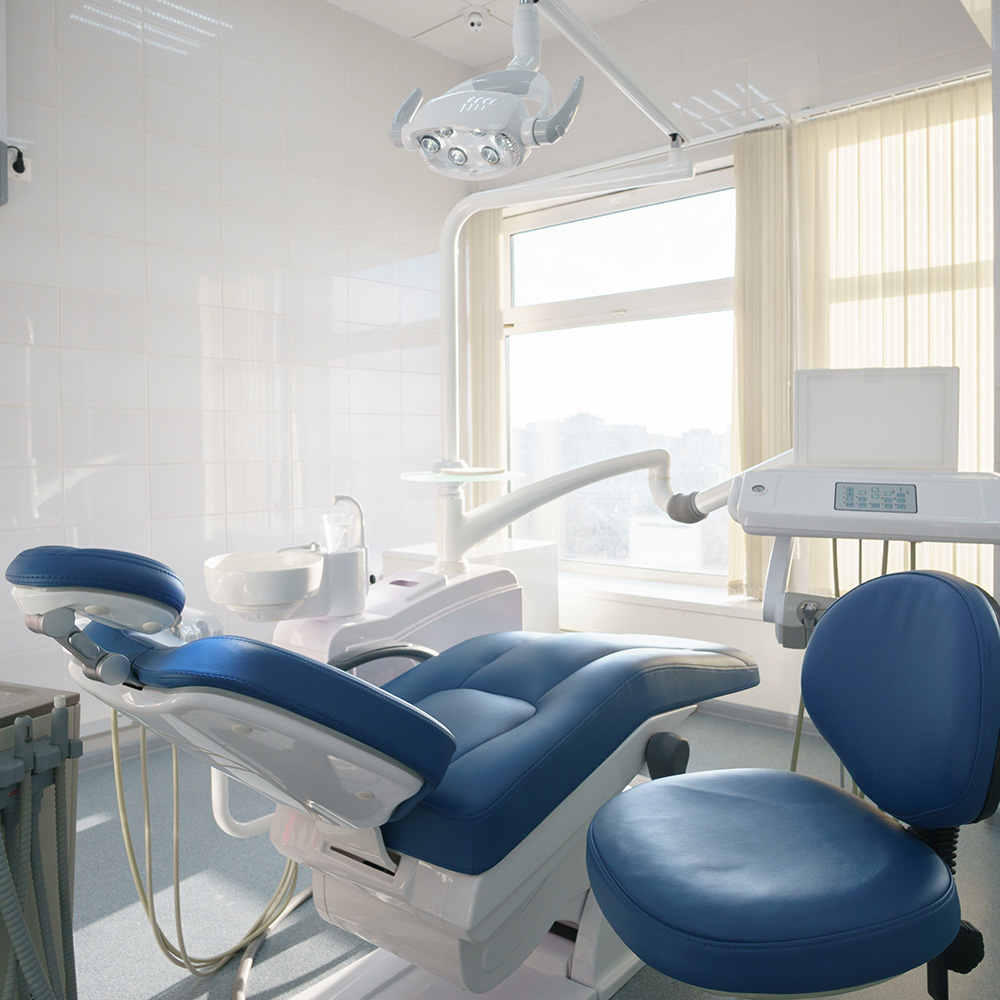
Ready to schedule your next dental appointment or have questions about our services?
Contacting Dentistry of Sugar Land is easy! Our friendly staff is available to assist you with scheduling appointments, answering inquiries about treatment options, and addressing any concerns you may have. Whether you prefer to give us a call, send us an email, or fill out our convenient online contact form, we're here to help. Don't wait to take the first step towards achieving the smile of your dreams – reach out to us today and discover the difference personalized dental care can make.