

Missing teeth affect more than appearance — they change how you eat, speak, and maintain oral health. Dental implants are designed to replace lost teeth with a solution that restores everyday function and helps preserve the structure of the jaw. For many patients, implants provide a long-term option that feels and behaves like a natural tooth, allowing return to comfortable chewing, clearer speech, and a more confident smile.
At Dentistry of Sugar Land, our approach to implant care begins with understanding each patient’s goals and oral-health needs. We combine modern diagnostics with clear treatment planning so you know what to expect at every step. Whether you are replacing a single tooth or rebuilding an entire arch, the goal is consistent: bring back reliable function while creating results that look natural in the mouth.

One of the defining advantages of an implant is its role as a root substitute. By anchoring directly into the jawbone, an implant preserves bone volume and supports the overlying restoration in a way removable options cannot. That foundation is why implants are often the preferred option for patients who want lasting stability and the ability to eat comfortably without worrying about slippage or fit issues.
Traditional bridges and dentures still help many people, but implants restore the tooth at a deeper level — replacing both the visible crown and the underlying support. This root-level replacement maintains the mechanical forces needed to preserve bone, which helps support facial contours and long-term oral health. For patients concerned about preservation of jaw structure, implants present a biologically sound option.
Because implants become integrated with the bone, they provide a stable foundation for a wide range of prosthetic options: single crowns, multi-unit bridges, and implant-supported dentures. That versatility means we can tailor each plan to match your functional needs and aesthetic expectations rather than asking you to compromise for a one-size-fits-all solution.
Another practical benefit is everyday comfort. Well-planned implant restorations eliminate the common complaints associated with removable prosthetics — movement, clicking, and changes in taste — letting patients focus on enjoying meals and social interactions without concern.
Dental implants are medical-grade posts—most commonly titanium or titanium alloy—that are placed into the jawbone where a tooth is missing. After placement, the surrounding bone grows around the implant in a process called osseointegration. This biologic fusion creates a strong, immovable anchor that supports the visible prosthetic tooth and withstands daily forces like chewing.
The timeline for integration varies by case. Some patients qualify for immediate restorations that function during the healing period, while others benefit from a staged approach that allows thorough healing before placing final crowns or bridges. Our team evaluates bone quality, bite dynamics, and overall health to recommend the safest, most predictable path forward.
Importantly, implants do not decay like natural teeth, but the surrounding tissues still require attention. Healthy gums and good oral hygiene are essential to long-term success; routine cleanings and consistent home care help protect implants and the adjacent teeth and tissues over time.
Many patients choose implants for the tangible improvements in daily life. Because implants are fixed and secure, eating a variety of foods becomes easier and more enjoyable. Speaking and smiling are often more natural and less self-conscious when restoration movement is no longer a concern. These everyday gains translate into better nutrition, greater confidence, and an enhanced quality of life.
From a clinical perspective, implants help prevent the gradual bone loss that follows tooth extraction. By providing regular stimulus to the jaw, implants support facial structure and reduce the changes in bite and alignment that can occur when adjacent teeth drift into empty spaces. Over the long term, this preservation of bone and position helps protect your remaining natural teeth.
Durability is another key advantage. With careful planning, precise placement, and ongoing maintenance, implant restorations can last many years. Choosing an implant-supported option often reduces the need to alter or compromise healthy neighboring teeth, unlike traditional bridgework that requires preparation of adjacent crowns.
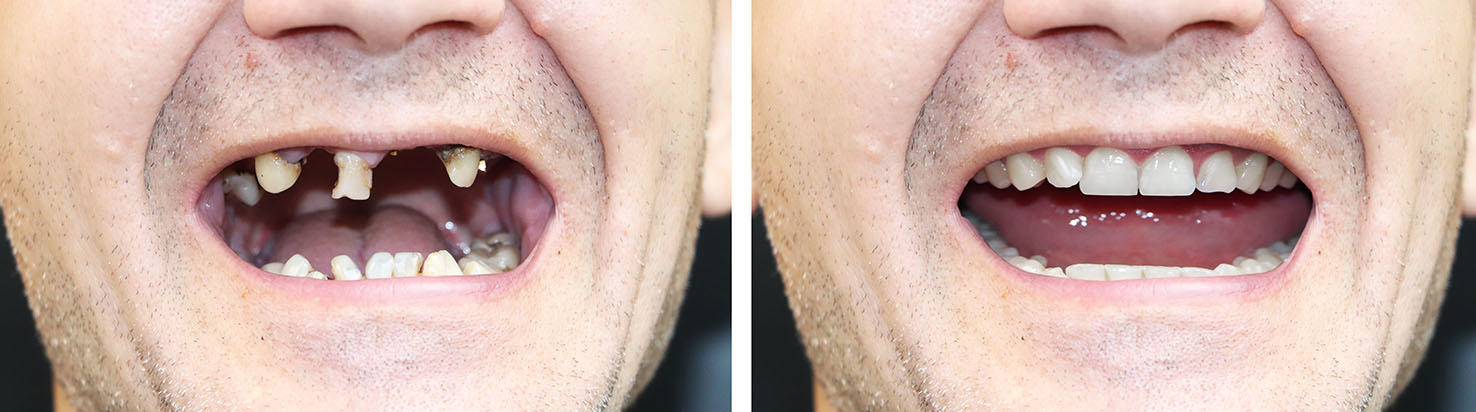
Implant therapy isn’t a single procedure but a flexible set of solutions that can be configured to fit individual circumstances. For someone missing a single tooth, a single implant and crown recreate the form and function of that tooth without relying on neighbors. For multiple missing teeth, implants can support bridges that span gaps without sacrificing healthy teeth. When an entire arch must be replaced, implant-supported full-arch restorations deliver a stable, often non-removable option that restores a natural bite.
These choices let clinicians craft a plan that balances surgical considerations, restorative goals, and lifestyle preferences. Some patients opt for implant-retained removable overdentures for easier cleaning, while others prefer fixed, non-removable prosthetics for a more toothlike experience. The selection depends on oral anatomy, bone availability, and personal priorities.
Our team explains each alternative and shows how it meets your objectives — whether the priority is maximum stability, simplified hygiene, or the most natural esthetic outcome. This collaborative planning ensures predictable results and a restoration you can rely on every day.
Implant treatment begins with a comprehensive assessment that includes medical history, a clinical exam, and imaging to evaluate bone volume and anatomic structures. Digital tools and three-dimensional imaging help us plan implant positions precisely and anticipate any preparatory needs such as bone grafting or sinus elevation.
Placement is typically an outpatient procedure. Most cases are performed under local anesthesia, sometimes combined with sedation for added comfort. The implant is placed into the jawbone, and a healing period follows while osseointegration occurs. Temporary restorations are available for many patients so function and appearance are maintained during healing.
Once healing is complete, we design and attach the final restoration — a crown, bridge, or denture — that blends with your bite and appearance. Throughout the process, we emphasize clear communication, explaining anesthesia options, pre- and post-op care, and what to expect during recovery so you feel informed and confident at each step.
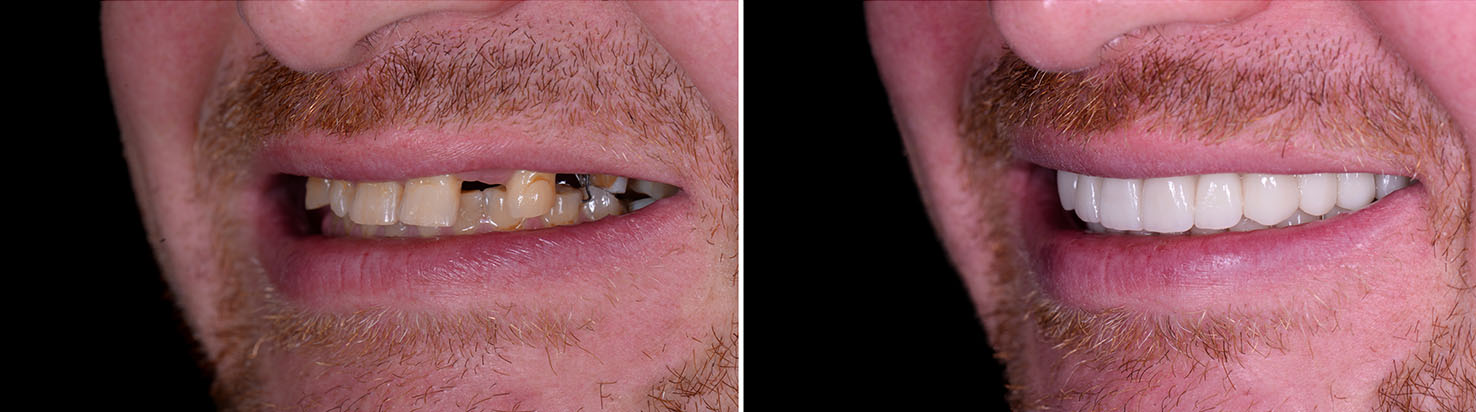
Good candidates for implants generally have stable overall health, adequate jawbone to support an implant, and a commitment to oral hygiene. Conditions such as uncontrolled diabetes or heavy tobacco use can affect healing and integration, so we review medical factors carefully and recommend steps to optimize outcomes.
When bone volume is insufficient, bone grafting or sinus augmentation can rebuild the site to allow implant placement. These preparatory procedures are common and predictably successful when performed as part of a well-coordinated treatment plan. Our goal is to create a stable foundation so implants have the best chance for long-term success.
After restoration, routine maintenance is essential. Regular dental visits for professional cleaning and evaluation, along with thorough daily hygiene at home, help preserve the surrounding gum tissue and supporting bone. With attentive care and periodic checkups, many patients enjoy predictable, lasting function for years to come.
Dental implants offer a reliable, versatile way to replace missing teeth while preserving jaw structure and restoring daily function. From single-tooth solutions to full-arch restorations, implant therapy can be tailored to meet practical needs and esthetic goals. When planned and executed carefully, implants deliver durable support and a natural feel that help patients regain confidence in eating, speaking, and smiling.
If you’d like to learn more about implant options or discuss whether implants are right for you, please contact us for more information. Our team is ready to answer questions and guide you through the next steps toward rebuilding a comfortable, healthy smile.


If you've lost a tooth due to injury, decay, gum disease, or any other reason, we recommend dental implants to replace missing teeth. Dental implants come the closest to replicating the look, feel, and function of your natural teeth.
Dental implants are placed into the jawbone and mirror the same function as the root of a tooth. The procedure for dental implants is usually performed while a patient is sedated. Patients who undergo IV sedation must have an empty stomach and transportation home following the procedure. Most sedation patients will have little to no memory of the procedure occurring.
Generally, dental implants are made out of a biocompatible metal such as titanium. Biocompatible metals are also used for other common bone implants (such as shoulder, hip, and knee replacements). The visible portion of the implant is usually made out of porcelain and is custom-made to match your existing teeth.
Dental implants are designed to fuse to the bone, which makes them become permanent fixtures. Typically speaking, the success rate is nearly 100%. There are few cases in which the implant will not fuse as intended and must be removed. If this happens to occur, the procedure can be attempted again a few months later.
Dental implants are not usually covered by dental insurance, but may be covered under a patient's medical insurance. Our office and your insurance company can discuss coverage options with you based on your individual case and treatment plan.
It's easy... just take care of an implant as if it's a natural tooth! This involves regular brushing, flossing, and dental checkups. If you have any concerns about your implant, contact us immediately.
Dental implants are medical-grade posts that replace a missing tooth root and provide a stable foundation for a visible restoration such as a crown, bridge, or denture. Most implants are made from titanium or a titanium alloy because these materials bond reliably with jawbone. The implant itself is surgically placed into the bone and later fitted with a custom prosthetic that restores form and function.
Because implants act as root substitutes, they preserve the mechanical stimulus the jaw needs to maintain bone volume and facial contours. Implants do not develop decay, but the surrounding gum and adjacent teeth still require regular hygiene and professional care. When planned and placed correctly, implants recreate chewing ability and speech patterns much like natural teeth.
Good candidates for implants generally have stable overall health, controlled medical conditions, and sufficient jawbone to support implant placement. Tobacco use, uncontrolled diabetes, and certain medications can affect healing, so these factors are reviewed during the initial evaluation. Age alone is not a limiting factor; bone quality and general health are the primary considerations.
Even if bone volume is reduced, many patients can become candidates through preparatory procedures such as bone grafting or sinus augmentation. A comprehensive exam including medical history and three-dimensional imaging determines whether implants are appropriate and which preparatory steps, if any, are needed. The treatment plan is tailored to individual anatomy and goals to maximize predictability and long-term success.
After an implant is placed into the jawbone, the surrounding bone gradually grows and fuses to the implant surface in a process called osseointegration. This biologic integration creates a strong, immobile anchor that can withstand chewing forces and support a prosthetic tooth. The timeline for osseointegration varies by patient and site but typically ranges from several weeks to a few months.
Implant materials such as medical-grade titanium are chosen for their biocompatibility and ability to encourage bone attachment. Once integrated, the implant behaves much like a natural root and helps preserve adjacent bone and soft tissue. Regular monitoring ensures the implant remains stable and the surrounding tissues stay healthy over time.
Treatment begins with a detailed consultation that includes a clinical exam, medical history review, and imaging to evaluate bone, bite, and anatomical structures. Planning often uses digital tools and three-dimensional scans to determine optimal implant positions and identify any preparatory needs such as grafting. Clear communication about each phase, anesthesia choices, and expected recovery helps patients feel informed before any procedure.
Placement is usually an outpatient procedure done under local anesthesia, with sedation available for added comfort when appropriate. A healing period follows while the implant integrates with bone, and temporary restorations may be used to maintain function and esthetics during this time. Once healing is sufficient, a custom final restoration is attached and adjustments are made to ensure proper fit and bite.
A bone graft or sinus lift is sometimes necessary when the natural bone is insufficient to support an implant securely. Causes of bone loss include long-standing tooth loss, periodontal disease, or anatomic limitations in the posterior upper jaw near the sinus. Imaging and clinical assessment determine whether grafting is required and which technique is most appropriate for the site.
Grafting procedures are common and can rebuild volume to create a stable foundation for an implant, with predictable outcomes when performed as part of a comprehensive plan. Healing timelines vary according to the graft type and patient factors, and the team will explain how the graft affects scheduling of implant placement. With proper planning, grafting enables implant solutions for many patients who would otherwise be ineligible.
Implant restorations are highly versatile and include single crowns, implant-supported bridges, full-arch fixed prostheses, and implant-retained removable overdentures. A single-tooth implant restores one missing tooth without altering adjacent healthy teeth, while implant-supported bridges can replace multiple adjacent teeth and distribute forces across implants. Full-arch approaches use multiple implants to support a fixed prosthesis when most or all teeth in an arch are missing.
Implant-retained overdentures offer enhanced stability compared with conventional dentures while remaining removable for cleaning. The choice of restoration depends on oral anatomy, hygiene preferences, esthetic goals, and functional needs. The clinical team evaluates these factors to recommend the option that best balances durability, maintenance, and patient priorities.
Unlike conventional bridges and removable dentures, dental implants replace both the tooth root and the visible tooth, which helps preserve bone and facial structure over time. Bridges rely on adjacent teeth for support and may require modification of healthy teeth, whereas implants support restorations independently and typically avoid altering neighboring teeth. Removable dentures can meet many needs but may lack the stability and comfort of implant-supported solutions during eating and speaking.
Implants generally provide greater retention and reduce the chance of slippage, clicking, or the changes in taste and feel associated with removable appliances. From a long-term perspective, implants help maintain jawbone and tooth alignment, which can protect remaining natural teeth. The appropriate choice depends on clinical findings, hygiene ability, and individual preferences for maintenance and function.
Daily oral hygiene remains essential for implant longevity and includes thorough brushing and interdental cleaning to remove plaque around the implant and adjacent teeth. Using tools such as floss designed for implants, interdental brushes, or water irrigation can help maintain healthy gum tissue around the restoration. Avoiding tobacco and managing systemic health conditions also supports healing and long-term stability.
Regular professional care is important; schedule routine dental visits for evaluation and prophylaxis so the clinician can monitor tissue health, check attachments, and identify early signs of complications. If patients notice sensitivity, loosening, or changes around an implant, prompt evaluation helps address potential problems before they progress. With consistent home care and periodic professional maintenance, implants can provide dependable service for many years.
As with any surgical procedure, implant placement carries potential risks such as infection, inadequate integration, or injury to nearby anatomic structures, though these events are uncommon when care is properly planned. Individual factors like smoking, uncontrolled systemic disease, or poor oral hygiene can increase risk and are addressed before treatment whenever possible. Thorough diagnostic imaging and careful surgical technique reduce the likelihood of complications.
If a complication occurs, management options range from conservative treatment such as improved hygiene and localized care to more involved measures like revision surgery or implant removal and replacement. Early detection is key, so follow-up visits and patient awareness of warning signs are important. The clinical team works with each patient to select appropriate interventions that prioritize long-term oral health.
The team at Dentistry of Sugar Land begins every implant case with a comprehensive evaluation that includes medical history, clinical exam, and three-dimensional imaging to assess bone, bite, and anatomic considerations. Digital planning tools help determine prosthetic-driven implant positions and identify any preparatory needs such as grafting or tooth removal. The goal is to create a coordinated plan that meets functional, esthetic, and comfort priorities for each patient.
Treatment is delivered in phases with clear communication at every step, and the team customizes restoration materials, abutments, and prosthetic design to match the patient’s anatomy and lifestyle. Emphasis is placed on predictable healing, appropriate follow-up care, and teaching patients the maintenance steps needed for long-term success. This individualized approach ensures the chosen solution supports daily function and a natural appearance.
Ready to schedule your next dental appointment or have questions about our services?
Contacting Dentistry of Sugar Land is easy! Our friendly staff is available to assist you with scheduling appointments, answering inquiries about treatment options, and addressing any concerns you may have. Whether you prefer to give us a call, send us an email, or fill out our convenient online contact form, we're here to help. Don't wait to take the first step towards achieving the smile of your dreams – reach out to us today and discover the difference personalized dental care can make.
