

Invisalign® offers a modern alternative to traditional braces — a discreet, removable system that straightens teeth through a planned series of clear aligners. Built on digital scanning and three-dimensional treatment planning, the approach minimizes interruption to daily life while delivering predictable tooth movement. For many adults and teens, that balance of effectiveness and discretion makes Invisalign® an attractive option.
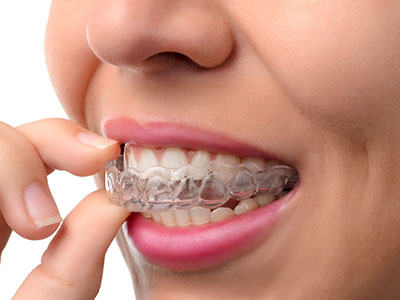
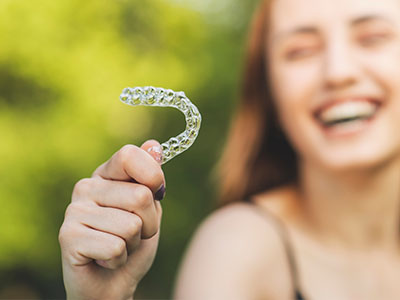
Clear aligners are designed to blend into your routine. Because each tray is nearly invisible, most patients find they can smile, speak, and interact socially without the appearance of traditional orthodontics. That subtlety helps people stay confident during treatment and makes orthodontic care feel less disruptive to personal and professional lives.
Beyond aesthetics, removability is a defining convenience. You can take aligners out to eat, to clean your teeth properly, or for short-term activities that require a perfect fit — like a musical performance or an important photograph. That flexibility supports oral hygiene and allows patients to keep enjoying familiar foods and habits throughout treatment.
Equally important is comfort: aligners are smooth and custom-trimmed, so they avoid the brackets and wires that can irritate cheeks and lips. For many patients, that translates to fewer emergency visits and an easier, more pleasant treatment experience.

Invisalign® for Teens

Invisalign® for Brides

Invisalign® for Travelers
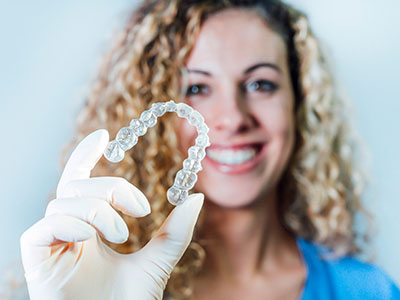
Before & After Photos
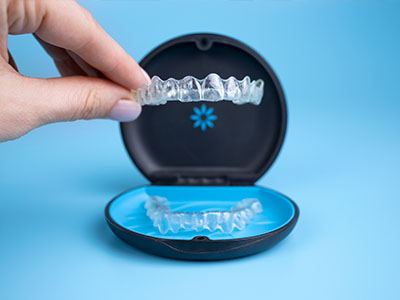
Invisalign® Videos
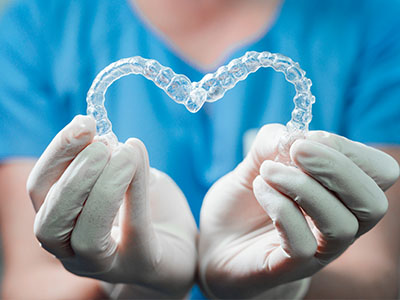
FAQs
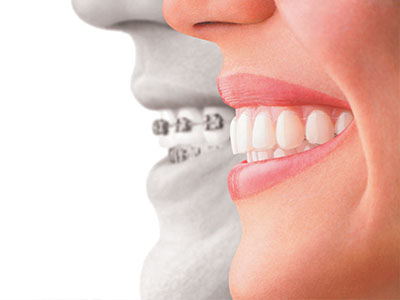
Invisalign® vs Braces
Invisalign® vs Direct-To-Consumer Aligners
Is Invisalign® Right For Me?

Invisalign® Costs
Treatment begins with a digital evaluation. A precise 3-D scan of your teeth replaces messy impressions and forms the foundation of a customized treatment plan. Using specialized software, clinicians map each stage of tooth movement so you can visualize the projected outcome before a single aligner is created.
That digital workflow makes the process more predictable. The plan sequences aligners to guide specific teeth in specific directions at set intervals, and attachments or precision cuts are incorporated when needed to achieve complex moves. This level of planning is why many providers prefer clear aligner systems for controlled, stepwise corrections.
Because the plan is digital, it’s also easy to review and adjust. Your dentist or orthodontist can refine targets based on clinical feedback during progress checks, allowing the treatment to remain responsive while staying on course toward the agreed smile goals.
Align Technology has refined its systems by analyzing vast amounts of clinical data, which helps shape aligner design and treatment algorithms. That research-driven approach aims to improve predictability, comfort, and the variety of cases the system can address. For patients, it means receiving care built on extensive clinical experience and iterative innovation.
Because each aligner is fabricated to fit the teeth at a particular stage, the system gradually brings teeth toward the final prescription. Adherence to wear-time recommendations — typically the number of hours your doctor advises per day — helps ensure that planned movements occur on schedule.
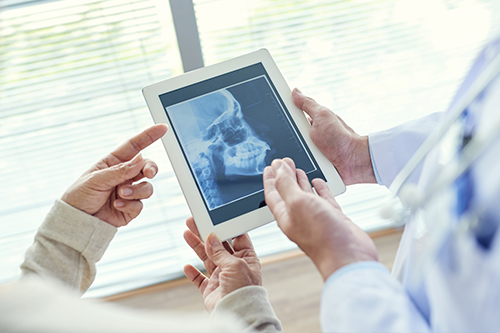
The first visit focuses on understanding your concerns and goals. Your doctor will review your dental and medical history, examine your bite, and discuss what a successful outcome would look like for you.
Clinical photos, X-rays, and a digital scan are typically taken to document your starting point and help shape the treatment plan. This information also helps the team identify any preparatory work required before starting aligners, such as addressing cavities or periodontal concerns.
After the assessment, your provider will explain the recommended approach, timeline, and what to expect at each phase so you can make an informed decision about moving forward.
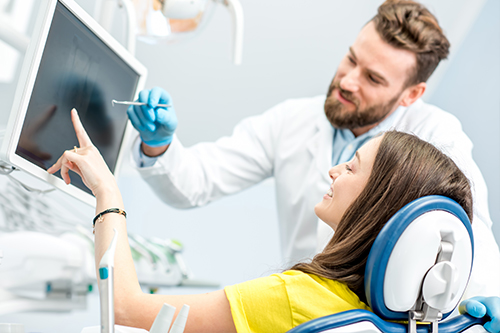
Next comes a high-resolution digital scan of your teeth that replaces traditional molds. The scan feeds into treatment-planning software so your clinician can map tooth movements and preview the projected results before fabrication begins.
This virtual setup allows adjustments to the treatment sequence and shows an estimated progression from start to finish. It’s a collaborative step: clinicians can use it to explain specific movements and confirm that the plan aligns with your expectations.
Once the plan is finalized, a series of custom aligners is manufactured to match the planned stages, ensuring a tightly coordinated progression through treatment.
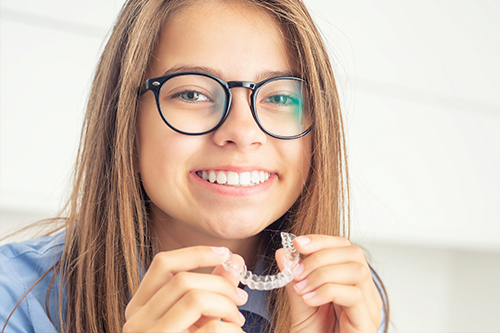
Your first set of aligners will be fitted and reviewed in the office so you know how to insert, remove, and care for them properly. Small attachments or elastics may be placed to help with specific movements, and your provider will outline the schedule for changing trays.
Early weeks are an adjustment as you become accustomed to wearing and cleaning the aligners. Most patients report that any initial sensitivity subsides quickly, and the smooth plastics are gentle on soft tissues compared with bracket-and-wire systems.
Routine checkups — typically every 6–10 weeks or as advised — let your provider monitor progress, make minor refinements, and supply the next series of aligners as treatment advances.

When the active phase is complete, your clinician may recommend retainers to preserve the new alignment. Retention is a standard part of orthodontic care and helps ensure the long-term stability of the results you worked toward.
Occasionally, small refinements are needed to perfect alignment; these are typically handled with a short series of additional aligners or minor restorative adjustments when appropriate. Your provider will discuss the best path to maintain your smile for years to come.
Throughout the process, attention to oral hygiene and routine preventive care supports both dental health and treatment outcomes, helping protect your investment in a healthier, more confident smile.
*Invisalign® is a registered trademark of Align Technology, Inc.
At Dentistry of Sugar Land we approach clear-aligner therapy with a focus on predictable planning, patient comfort, and long-term stability. Whether you’re seeking subtle alignment or comprehensive bite correction, modern aligner systems offer a practical pathway to a straighter smile without the look or maintenance of traditional braces. Contact us for more information.
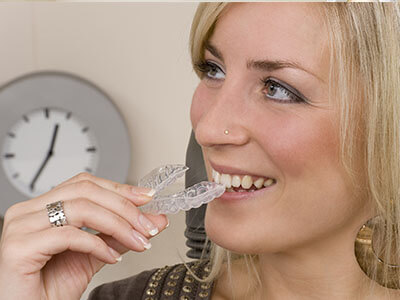

There are many options for patients who want to avoid metal braces! The most popular alternative orthodontic treatment is Invisalign®, which are clear plastic aligners designed to straighten teeth. After an examination of your teeth, your dentist will determine which option is best suited to your wants and needs.
According to the Invisalign® website, the cost for treatment is approximately the same as the cost for metal braces. A portion of this cost may be covered by your insurance. Please call us to set up a consultation and discuss potential payment plan options.
The first step is to schedule a consultation with your doctor, so they can devise a treatment plan that is best suited to your individual dental needs. Once approved, you will receive your first set of aligners. Your doctor will then regularly monitor the movement of your teeth and new aligners will be ordered according to the progress made in your treatment plan.
Invisalign® aligners are made of clear, flexible plastic. The company received a patent for this material – SmartTrack® – to be used exclusively for Invisalign treatment purposes. These aligners are FDA approved and nearly invisible!
Your doctor will give you an estimate regarding how long your Invisalign® treatment should take, which will depend on your specific needs. The average length of time for treatment is approximately 12-18 months. However, some patients may see results far sooner. Remember to wear your aligners exactly as instructed by your doctor to obtain the best results.
Your doctor will most likely recommend that you wear retainers following your Invisalign® treatment. This is a precaution that will prevent your teeth from shifting back to their original positioning. It is important to follow your doctor's instructions exactly to ensure long-lasting results.
You must wear your aligners for up to 22 hours daily. You may remove them for eating, drinking and regular oral hygiene.
No. Unlike braces, you may eat whatever you like as long as you remove the aligners before eating. Prior to placing the aligners back on, it is important to brush your teeth and the aligners after you eat.
Like any orthodontic treatment, there is a short adjustment period. The more you speak with the aligners on, the quicker you will adjust.
There will be some pressure and minor discomfort for a day or two after each initial insertion. This is a sign that your teeth are moving sequentially into their final position.
It is recommended that you remove your aligners prior to chewing gum as the gum will stick to the aligners.
We discourage smoking with aligners as the cigarette smoke will tend to discolor them.
Brushing them with toothpaste will keep them fresh and clean.
Regular office visits are every five to six weeks. This will ensure that your Invisalign treatment is progressing as planned.
All orthodontic patients are instructed to wear their retainers at night indefinitely. Sleeping with your retainers in at night will ensure a healthy bite and maintain the new position of your teeth.
Yes, if their teeth, including second molars, have grown in completely.
Invisalign is a clear aligner system that straightens teeth using a planned series of custom-made, medical-grade plastic trays. Treatment begins with a high-resolution digital scan and a virtual setup that maps each stage of tooth movement before any aligner is produced. The digital plan allows clinicians to visualize the projected outcome and sequence movements for predictable progress.
Each aligner is worn for a set period and gently applies pressure to specific teeth to guide them toward the desired position. Patients typically switch to a new tray every one to two weeks, following the schedule outlined by their provider. Consistent wear and periodic clinical reviews help ensure the treatment follows the planned progression.
Invisalign is well suited for many adults and motivated teens who have mild to moderate crowding, spacing, or bite concerns that can be addressed with aligner therapy. Candidates should have good overall oral health, with untreated cavities or active periodontal disease managed prior to starting treatment. A clinical evaluation is necessary to confirm that aligners are an appropriate option for the specific alignment and bite goals.
Certain complex tooth movements or severe skeletal issues may require alternative or adjunctive orthodontic approaches, and your clinician will recommend the best pathway during the consult. Patients who can commit to the recommended daily wear time and attend routine progress checks are the most likely to achieve predictable results. If needed, Invisalign can be combined with other restorative or orthodontic steps to meet comprehensive smile goals.
Treatment starts with a comprehensive clinical assessment that includes dental history, photographs, X-rays, and a precise digital scan that replaces traditional impressions. The scan feeds into treatment-planning software that creates a virtual setup showing sequential tooth movements and an estimated finish position. This virtual plan is reviewed with the patient so you can understand the proposed steps and expected outcome before fabrication of the aligners.
Throughout active treatment, scheduled progress visits allow the provider to assess movement, make minor refinements, and supply subsequent series of aligners. Because the workflow is digital, the plan can be adjusted if teeth are not tracking as expected, and additional aligners or refinements can be ordered. Regular monitoring helps maintain treatment predictability and supports timely interventions when needed.
Clean aligners daily with a soft toothbrush and lukewarm water or the cleaning system recommended by your provider; avoid hot water which can warp the plastic. Rinse aligners whenever you remove them and brush your teeth before reinserting to minimize bacteria and staining. Store aligners in their case when not in use to protect them from damage and contamination.
Maintain routine oral hygiene by brushing twice a day and flossing once daily to protect gum and tooth health while being treated. Continue regular professional cleanings and examinations so your clinician can monitor tissue health and address any issues promptly. Good oral hygiene supports both the effectiveness of aligner therapy and the long-term health of your smile.
Your initial visit focuses on understanding your concerns, reviewing medical and dental history, and performing a clinical examination that may include X-rays and intraoral photographs. A high-resolution digital scan will be taken to capture the exact anatomy of your teeth and bite; this scan replaces messy physical impressions and is used to create the virtual treatment plan. The clinician will review the proposed sequence of movements and explain any preparatory care required before aligners begin.
During this visit you will also learn how to insert, remove, and care for your aligners so you can adapt quickly once treatment starts. The team will discuss the expected checkup schedule and what to look for as teeth begin to move. If applicable, you may meet with Dr. Wendy Granger or another clinician to discuss goals and next steps for your personalized plan.
Most patients experience a short adaptation period during which speech may be slightly affected, often described as a mild lisp that improves within days to a couple of weeks. Because aligners are thin and custom-trimmed, they are generally less intrusive than traditional brackets and wires, and many people find everyday activities quickly return to normal. If you have a public speaking event or performance, practice speaking with your aligners in advance to build confidence.
Aligners are removable for eating, drinking (except water), and for short-term needs that require a precise fit, such as playing certain musical instruments or taking a photograph. This removability makes it easier to maintain normal dietary habits and oral hygiene compared with fixed braces. Routine checkups and prompt communication with your provider help resolve any functional concerns that may arise during treatment.
Treatment length varies based on the complexity of the case but many patients complete active Invisalign therapy within several months to a year for moderate concerns, while more comprehensive corrections can take longer. The treatment plan produced from the digital setup includes an estimated timeline, but this estimate can change based on how teeth respond. Adherence to recommended wear times is one of the most important factors in achieving the projected schedule.
Other factors that influence duration include the severity of misalignment, the need for additional procedures such as attachments, interproximal reduction, or elastics, and individual biological response to tooth movement. Periodic refinements or a short series of additional aligners may be recommended to perfect final positioning. Your clinician will monitor progress and advise on any adjustments needed to keep treatment on track.
Attachments are small, tooth-colored composite bumps bonded to specific teeth to give aligners a better surface to push against for certain movements. Elastics are small rubber bands that can be used to modify bite relationships by connecting aligners or attachments in strategic ways to correct occlusal issues. Both attachments and elastics are common adjuncts that increase the range of tooth movements achievable with clear aligners.
Attachments are placed and removed in the dental office and are designed to be unobtrusive and blend with the tooth color. Elastics require patient cooperation to wear them as directed and are used when inter-arch force is needed to adjust the bite. Your provider will explain the purpose of any auxiliaries and demonstrate how to manage them to support predictable results.
Retention is a standard and essential part of orthodontic care; most patients receive retainers at the end of active treatment to maintain the new tooth positions. Your clinician will recommend a retainer type and schedule based on the movements achieved and long-term stability considerations, and some form of nightly or part-time wear is commonly advised. Using retainers as directed helps prevent relapse and preserves the investment made during treatment.
Occasional follow-up visits allow the provider to evaluate retention and make adjustments if needed, and good ongoing oral hygiene supports the health of teeth and gums after treatment. In some cases, removable or bonded retainers are combined with periodic clinical reviews to ensure long-term stability. Your provider can outline a retention plan tailored to your needs at the completion of active care.
At Dentistry of Sugar Land we combine modern digital planning with a patient-centered approach to deliver comfortable, predictable aligner care tailored to individual goals. Our workflow begins with a thorough clinical assessment and a high-resolution scan that informs a customized virtual plan, allowing patients to see the proposed outcome before fabrication starts. The practice emphasizes clear communication, comfort, and careful monitoring throughout active treatment.
We work collaboratively with each patient to address preparatory needs, incorporate attachments or auxiliaries when indicated, and set a realistic schedule for progress checks and refinements. By prioritizing long-term stability and oral health, the team supports patients from initial consultation through retention to help maintain results for years to come. If you have questions about whether Invisalign is right for your smile, the practice offers consultations to review options and create a tailored plan.
Ready to schedule your next dental appointment or have questions about our services?
Contacting Dentistry of Sugar Land is easy! Our friendly staff is available to assist you with scheduling appointments, answering inquiries about treatment options, and addressing any concerns you may have. Whether you prefer to give us a call, send us an email, or fill out our convenient online contact form, we're here to help. Don't wait to take the first step towards achieving the smile of your dreams – reach out to us today and discover the difference personalized dental care can make.
