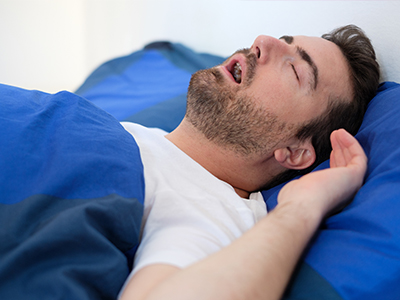
Sleep shapes more than your morning energy — it affects memory, mood, heart health, and metabolic balance. When breathing repeatedly stops or becomes shallow during sleep, the consequence can be daytime fatigue, increased health risks, and a lower quality of life. At the office of Dentistry of Sugar Land, we evaluate how dental-centered therapies can play a role in restoring safe, restful sleep for people with obstructive sleep apnea and disruptive snoring.
Obstructive sleep apnea (OSA) is a physical condition in which the upper airway repeatedly narrows or collapses during sleep, interrupting normal breathing. These interruptions — called apneas and hypopneas — reduce oxygen levels and fragment sleep architecture, so even a full night in bed may not provide restorative rest. OSA ranges in severity from mild, occasional pauses to frequent, prolonged events that require urgent medical attention.
Beyond tiredness, OSA’s ripple effects reach many body systems. It increases strain on the cardiovascular system, can worsen blood pressure control, and is associated with higher risk for stroke, diabetes, and mood disorders. Because symptoms can be subtle or attributed to busy lifestyles, many people live with OSA for years before it is recognized.
Recognizing OSA as a treatable medical condition — not simply a nuisance — is the first step toward safer sleep. Dental professionals who specialize in sleep medicine work alongside physicians to identify suitable candidates for oral appliance therapy and to support long-term management of the condition.
Often the earliest clues are observed by a bed partner: loud, habitual snoring, gasping or choking sounds, and visible pauses in breathing. These nocturnal signs are valuable indicators, but they are not the whole story. Many people with OSA report waking unrefreshed, struggling with daytime sleepiness, or experiencing attention and memory lapses.
Other common daytime symptoms include morning headaches, persistent throat dryness, mood changes such as irritability or low mood, and difficulty concentrating. Because these symptoms overlap with other conditions — from stress to poor sleep hygiene — a careful history and, where appropriate, sleep testing are needed to determine whether OSA is present.
Certain physical and lifestyle factors also raise suspicion: excess weight, a large neck circumference, nasal congestion, a recessed jaw, or enlarged tonsils. Age, family history, and habits such as alcohol use around bedtime can increase risk. Identifying an individual’s unique risk profile helps guide the most effective diagnostic and treatment approach.
Diagnosis begins with a medical and sleep-focused history and a physical exam. If OSA is suspected, a sleep study (polysomnography or a validated home sleep test) quantifies breathing interruptions, oxygen drops, and sleep fragmentation. That data, combined with clinical findings, determines whether someone has mild, moderate, or severe OSA.
Sleep specialists interpret test results and recommend a treatment plan. For people with complex medical issues or severe OSA, a physician-led approach is essential. For many others — especially those with mild to moderate OSA or intolerance to nasal pressure therapy — dental sleep medicine offers effective alternatives. Collaboration between dentists and physicians ensures both safety and comprehensive care.
Follow-up testing and symptom monitoring are important. Effective treatment should reduce apneas, improve oxygenation, and restore daytime function. If symptoms persist or new concerns arise, the care team revisits the plan and adjusts therapy accordingly.
Continuous positive airway pressure (CPAP) remains the standard treatment for moderate to severe OSA because it is highly effective at preventing airway collapse. However, adherence can be a challenge for some patients due to discomfort, mask fit, or intolerance to pressure. When CPAP is not tolerated or when OSA is mild to moderate in severity, oral appliance therapy is a well-studied and practical alternative.
Oral appliances are custom-made devices worn during sleep to reposition the lower jaw and tongue, preserving an open airway. These devices reduce the frequency and duration of apneas and are portable, quiet, and generally easy for patients to accept. Selection of an appliance considers dental health, bite alignment, and the specific sleep-breathing pattern identified during testing.
Another important component of treatment is addressing contributing factors: weight management, positional therapy (avoiding sleeping on the back), nasal obstruction treatment, and substance-use adjustments. Often, a combined approach tailored to an individual’s needs yields the best outcome.
Because OSA affects overall health, treatment decisions should be individualized and informed by objective test results, medical history, and patient preferences. The goal is to restore safe airflow during sleep while supporting long-term comfort and adherence.
Custom oral appliances differ from over-the-counter devices in fit, function, and long-term outcomes. A tailored appliance is designed from accurate impressions and an evaluation of jaw mechanics so it balances effectiveness with comfort and dental safety. Proper fabrication and careful adjustment — or titration — are essential to maximize benefit and minimize side effects like jaw soreness or bite changes.
Monitoring is a central part of dental sleep medicine. After delivery, patients typically return for periodic checks to assess symptom improvement, make incremental adjustments, and examine teeth and jaw health. Long-term follow-up may include repeat sleep testing or coordination with the treating physician to confirm that therapy continues to meet clinical goals.
At our practice, this process is collaborative and meticulous. We focus on discovering whether dental-based treatment is appropriate, crafting an appliance that fits the patient’s oral anatomy, and providing scheduled care to sustain both respiratory benefit and dental integrity. When used properly, oral appliances can significantly reduce snoring, improve sleep quality, and restore daytime function for many patients.
If you suspect you or a family member has sleep apnea, early evaluation matters. Contact us to learn more about how dental sleep medicine can fit into a comprehensive care plan and to discuss whether an oral appliance may be a suitable option for your needs.


Obstructive sleep apnea (OSA) is a medical condition in which the upper airway narrows or collapses during sleep, causing repeated pauses in breathing and drops in oxygen levels. These interruptions fragment sleep architecture so that even a full night in bed may not produce restorative rest. Over time, untreated OSA can affect memory, mood, cardiovascular health and metabolic balance.
Recognizing OSA as a treatable health issue is the first step toward safer sleep and better daytime function. Dental professionals trained in sleep medicine evaluate how dental-centered therapies can complement medical care to reduce airway obstruction during sleep. At Dentistry of Sugar Land, we work with patients and physicians to determine whether oral appliance therapy is a suitable part of a broader treatment plan.
Many of the earliest clues are noticed at night by a bed partner and include loud, habitual snoring, choking or gasping sounds, and visible pauses in breathing. Daytime signs can be subtler and include persistent fatigue, waking unrefreshed, morning headaches, dry throat and trouble concentrating. Mood changes such as irritability or low mood are also common and can be misattributed to stress or busy schedules.
Certain physical and lifestyle factors raise suspicion for OSA, including excess weight, a thick neck, nasal congestion, a recessed lower jaw and alcohol use before bedtime. Because these symptoms overlap with other conditions, a careful clinical history and, when indicated, objective sleep testing are necessary to confirm the diagnosis. Identifying an individual risk profile helps guide the most effective diagnostic and treatment approach.
Diagnosis typically begins with a focused medical and sleep history and an exam of the airway, nose and jaw. When OSA is suspected, a sleep study—either an in-lab polysomnogram or a validated home sleep apnea test—measures breathing interruptions, oxygen levels and sleep fragmentation. Results quantify the frequency and duration of events and are combined with clinical findings to classify OSA as mild, moderate or severe.
Sleep specialists interpret the testing and recommend an appropriate treatment plan based on severity and individual health needs. For people with complex medical conditions or severe OSA, physician-led management is essential, while many patients with mild to moderate OSA or CPAP intolerance may be candidates for dental sleep medicine interventions. Ongoing monitoring and periodic reassessment help ensure the chosen therapy continues to meet clinical goals.
Continuous positive airway pressure (CPAP) is the most effective therapy for preventing airway collapse and is generally recommended for moderate to severe OSA. However, some patients find CPAP difficult to tolerate due to mask fit, pressure or other comfort issues, which can limit adherence. For patients with mild to moderate OSA or those who cannot use CPAP, oral appliance therapy is a well-studied, practical alternative.
Oral appliances are custom devices that reposition the lower jaw and tongue to keep the airway open and are portable, quiet and generally well accepted. Effective management often combines device therapy with lifestyle measures such as weight management, positional therapy and treatment of nasal obstruction. Selecting the right approach depends on test results, medical history and patient preferences, and is best decided through collaboration between dental and medical providers.
Custom oral appliances are dental devices made from accurate impressions and bite records to reposition the lower jaw and tongue during sleep, thereby reducing airway collapse. Because they are tailored to the patient’s oral anatomy and bite, custom appliances balance effectiveness with comfort and minimize unwanted dental side effects. Over-the-counter devices lack this individualized fit and do not allow the careful adjustment or titration that improves long-term outcomes.
Proper fabrication and gradual titration are important to optimize respiratory benefit while limiting side effects such as jaw soreness or tooth movement. Dentists experienced in sleep medicine evaluate dental health, bite alignment and periodontal stability before recommending an appliance. When indicated, these devices can significantly reduce snoring and apnea events for many patients.
The process begins with a comprehensive dental examination, impressions and bite records so the appliance can be fabricated to your anatomy. Once the device is delivered, your clinician will perform careful adjustments and a period of gradual titration to find the position that maximizes airway opening while maintaining comfort. Expect a few follow-up visits during the initial weeks to refine fit and address any soreness or minor bite changes.
Side effects such as transient jaw muscle discomfort or tooth sensitivity are common early on and are usually managed with conservative strategies and adjustments. Periodic monitoring of dental health, jaw function and sleep symptoms helps ensure the appliance remains effective and safe. Our office schedules structured follow-ups to assess progress and coordinate care with your physician as needed to confirm therapeutic benefit.
Managing OSA is often a team effort that includes primary care physicians, sleep specialists, and dental sleep medicine providers. Physicians typically diagnose OSA using sleep testing and manage medical comorbidities, while dentists screen patients, evaluate oral health and provide custom oral appliances when appropriate. Clear communication about test results, treatment goals and medical history is essential to ensure a safe, coordinated plan.
Shared care pathways help determine who is best suited for CPAP, oral appliance therapy, surgery or combined strategies, and they facilitate timely follow-up if symptoms persist. Regular information exchange and agreed monitoring protocols enable the team to adjust therapy as health status changes. This collaborative approach improves safety, adherence and long-term outcomes for patients with sleep-disordered breathing.
Several lifestyle measures can complement device-based therapies and reduce the severity of sleep-disordered breathing. Weight loss in patients with excess body weight is one of the most effective strategies, and avoiding alcohol or sedatives before bedtime can reduce airway relaxation and event frequency. Positional therapy—avoiding prolonged supine sleep—may also decrease events for people whose apnea is worse on their back.
Addressing nasal congestion, treating allergies, quitting smoking and optimizing sleep hygiene (consistent bedtime, limited screen use before sleep and a comfortable sleep environment) all contribute to better sleep quality. These changes are often recommended alongside medical or dental treatments to maximize overall improvement. Your care team can help prioritize which modifications are most likely to benefit your individual situation.
Untreated OSA increases the risk of several serious health problems, including high blood pressure, heart disease, stroke, atrial fibrillation and metabolic disorders such as insulin resistance and type 2 diabetes. Chronic sleep fragmentation and low nighttime oxygen levels can also impair cognitive function, mood and daytime alertness, which raises the risk of workplace and driving accidents. Quality of life often declines as fatigue, mood disturbances and concentration problems persist.
Early recognition and effective treatment reduce these risks and improve daytime functioning and long-term health outcomes. Because symptoms can be subtle, screening and prompt evaluation are important when signs are present. Working with both medical and dental providers ensures a comprehensive plan to address the condition and its health consequences.
Initial follow-up typically occurs within a few weeks of appliance delivery to assess fit, comfort and early response, followed by additional adjustments as needed during the first few months. Once the device is comfortable and effective, routine dental follow-ups every three to six months during the first year and at least annually thereafter are common to monitor dental health, jaw function and device condition. Frequency is individualized based on symptom control, dental findings and any changes in health.
Repeat sleep testing may be recommended when objective confirmation of improvement is needed, especially if symptoms persist or if there are changes in weight or medical status. Patients should report new or returning symptoms promptly so the care team can reassess the treatment plan. For questions about long-term monitoring and coordination with your physician, contact Dentistry of Sugar Land to discuss a personalized follow-up schedule.
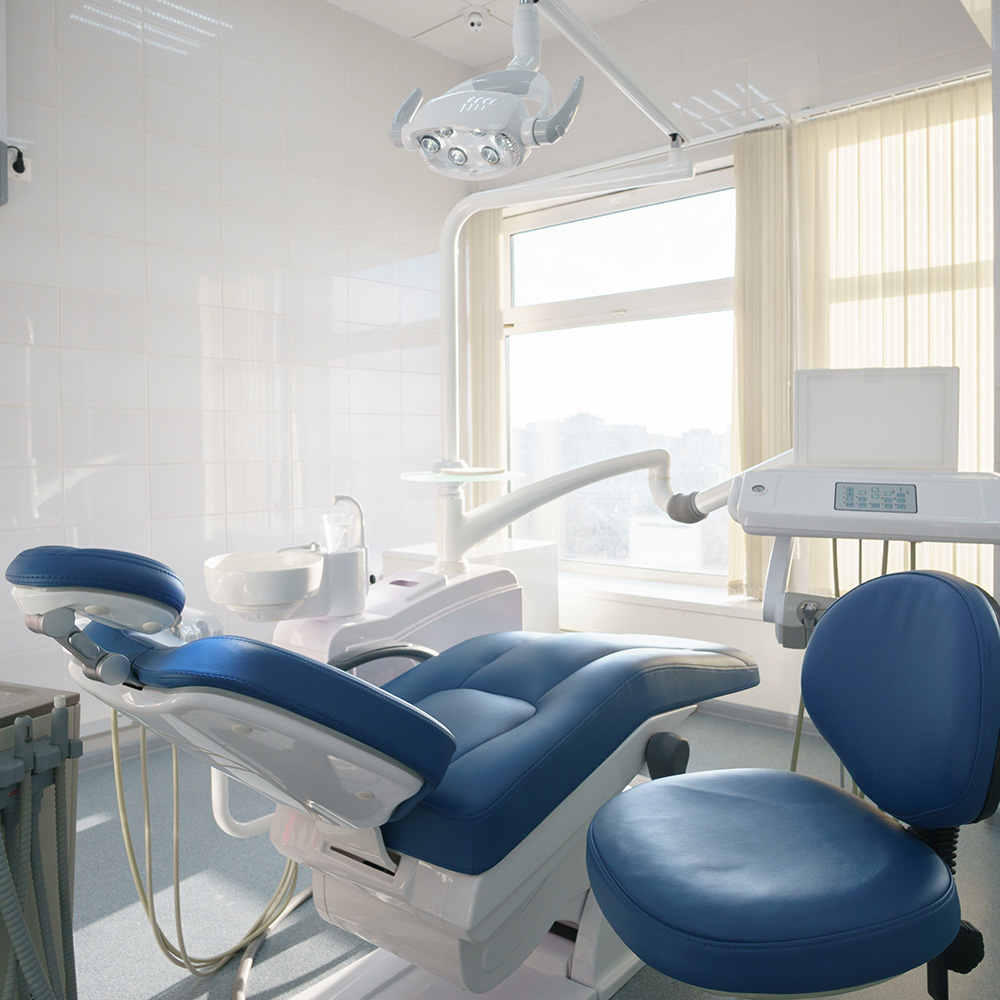
Ready to schedule your next dental appointment or have questions about our services?
Contacting Dentistry of Sugar Land is easy! Our friendly staff is available to assist you with scheduling appointments, answering inquiries about treatment options, and addressing any concerns you may have. Whether you prefer to give us a call, send us an email, or fill out our convenient online contact form, we're here to help. Don't wait to take the first step towards achieving the smile of your dreams – reach out to us today and discover the difference personalized dental care can make.