

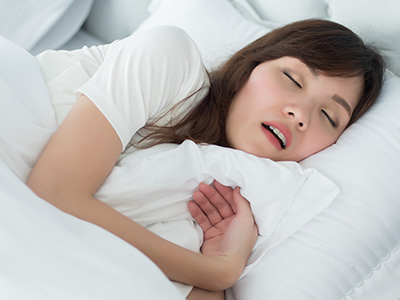
Snoring is the sound produced when airflow during sleep causes soft tissues in the back of the throat to vibrate. While occasional snoring is common, persistent or loud snoring can disrupt sleep for both the person who snores and their bed partner. Understanding what causes the sound is the first step toward finding a comfortable, effective solution.
Many people think of snoring as a minor annoyance, but the underlying mechanics are straightforward: anything that narrows or obstructs the airway increases soft-tissue vibration. Anatomy, sleep position, and lifestyle factors all influence how air moves through the nose and mouth at night. A clear explanation helps patients make informed choices about treatment and preventive measures.
Because snoring falls on a spectrum—from intermittent to chronic—it’s useful to identify contributing factors so that appropriate care can be chosen. The discussion below outlines common causes, how to tell when snoring could point to a more serious condition, and the role dental appliances can play in improving nighttime breathing.
Several physical and behavioral factors can narrow the upper airway and encourage snoring. Enlarged tonsils or a long, soft palate reduce the space through which air flows, increasing turbulence and vibration. Nasal congestion from allergies or structural issues also forces more breathing through the mouth, which changes airway dynamics and raises the likelihood of snoring.
Muscle tone in the throat and tongue declines during deep sleep. In some people the tongue and soft tissues collapse backward more readily, creating an obstruction that produces sound. Sleep position matters too—lying on the back often allows gravity to pull the jaw and soft tissues downward, which can intensify snoring compared with sleeping on the side.
Lifestyle influences such as alcohol or certain sedating medications relax airway muscles and can make snoring worse. Infrequent sleep or irregular sleep schedules may also increase the frequency or intensity of snoring episodes. Identifying which of these elements play a role is important when choosing a treatment that will be both effective and comfortable.
Not all snoring is the same. Primary snoring refers to noisy breathing without interruptions in airflow and without the oxygen changes seen in sleep-disordered breathing. However, loud, frequent snoring can sometimes be a sign of obstructive sleep apnea (OSA), a condition marked by repeated airway collapse and brief pauses in breathing that may affect overall health.
Certain red flags suggest the need for a medical evaluation: witnessed pauses in breathing, gasping or choking during sleep, excessive daytime sleepiness, morning headaches, or high blood pressure. If these signs are present, collaboration with a sleep physician or a referral for testing is appropriate before beginning any appliance therapy.
When a clinical evaluation and, if needed, a sleep study rule out significant OSA, many people with primary snoring are excellent candidates for conservative, noninvasive treatments—among them custom oral appliances fitted by a qualified dental provider.
Oral appliances designed for snoring work by gently repositioning structures in the mouth to keep the airway open during sleep. The most common type slightly advances the lower jaw, which pulls the tongue and soft tissues forward and reduces the likelihood of airway collapse. Other designs stabilize the tongue or use combination features to improve airflow and reduce vibration.
These devices are custom-made from dental impressions or digital scans to fit snugly and comfortably, similar to a sports mouthguard or orthodontic retainer. Because they are removable, many patients appreciate the convenience and noninvasive nature of appliance therapy compared with more intensive interventions.
Clinical studies and professional guidelines recognize oral appliances as an established option for patients with primary snoring and for some with mild to moderate obstructive sleep apnea. Success depends on proper fit, consistent nightly use, and periodic follow-up to verify that the appliance is performing as intended without causing unwanted side effects.
A responsible treatment path begins with a comprehensive assessment. The dental team evaluates oral health, jaw function, and sleep history to determine if an oral appliance is appropriate. If a sleep physician’s input or testing is recommended, the dental provider will coordinate care to ensure the appliance is part of a safe, integrated plan.
Once an appliance is selected, impressions or digital scans are taken and a custom device is fabricated to match your bite and comfort needs. Initial appointments focus on achieving the ideal jaw position for airway support while minimizing strain on the jaw joint and teeth. Minor adjustments are common as the device is fine-tuned for optimal results.
Follow-up care is essential. Regular visits allow the dental team to monitor fit, assess symptom improvement, and look for side effects such as jaw soreness, increased salivation, or changes in tooth position. Routine cleaning and proper storage extend the life of the appliance and help maintain oral health while using it nightly.
Choosing a provider who is experienced in appliance therapy makes a measurable difference in comfort and outcomes. The dental practice can evaluate oral factors that influence treatment success and coordinate with medical colleagues when additional sleep testing or medical management is indicated. This collaborative approach helps ensure safety and improves the chance of meaningful symptom relief.
Dentistry of Sugar Land brings a patient-centered approach to snoring care, emphasizing careful evaluation, customized appliance design, and follow-up monitoring. By combining modern dental techniques with attention to individual needs, the practice aims to reduce nighttime noise while promoting better rest for patients and their household members.
Whether you’re exploring treatment for persistent snoring or seeking a noninvasive option after a medical assessment, an informed dental partner can guide you through the available choices and recommend the most appropriate path forward.
In summary, snoring often results from reversible changes in airway dynamics that can be effectively addressed in many cases with a custom oral appliance. These devices are a conservative, removable option that can improve airflow and reduce disruptive noise when selected and fitted correctly. Contact us to learn more about how a tailored snoring appliance might help you or a loved one sleep more quietly and restfully.


Snoring occurs when airflow during sleep causes the soft tissues at the back of the throat to vibrate, and it is often influenced by anatomy, sleep position and nasal congestion. Anything that narrows the upper airway—enlarged tonsils, a long soft palate or obstructed nasal passages—increases the likelihood of vibration and noise. Lifestyle factors such as alcohol use or certain medications can further relax airway muscles and worsen snoring.
Snoring appliances work by repositioning oral structures to improve airflow during sleep, most commonly by slightly advancing the lower jaw to pull the tongue and soft tissues forward. A properly fitted device reduces the collapsibility of the airway and decreases the tissue vibration that creates sound. Because these appliances are custom-made and removable, many patients prefer them as a conservative alternative to more invasive procedures.
Simple or primary snoring is noisy breathing without the repeated pauses in airflow or oxygen changes characteristic of obstructive sleep apnea (OSA). Loud, frequent snoring alone does not prove OSA, but certain symptoms raise concern, including witnessed pauses in breathing, gasping, choking at night, excessive daytime sleepiness and morning headaches. Noting these red flags can help determine whether a medical evaluation is needed.
If OSA is suspected, a referral to a sleep physician and diagnostic testing such as a sleep study should be considered before starting appliance therapy. Oral appliances are an established option for primary snoring and for some patients with mild to moderate OSA, but they are not appropriate as the sole treatment for severe OSA. Coordinated care ensures safety and that the chosen therapy matches the severity of a patient’s sleep-disordered breathing.
Good candidates typically include adults with primary snoring or those with mild to moderate obstructive sleep apnea who have been evaluated medically and cleared for oral appliance therapy. Adequate dental structure is important because the appliance needs stable teeth or an alternative retention plan to stay in place through the night. Patients should also have reasonably healthy jaw joints and be willing to attend follow-up visits for adjustments and monitoring.
Patients with severe OSA, active periodontal disease, very limited dentition or unstable temporomandibular joint problems may require alternative treatments or additional dental work before an appliance is considered. A comprehensive dental and medical assessment helps identify any contraindications and informs whether an oral appliance is a suitable, safe choice. Many people benefit from a team approach that includes both dental and medical specialists when needed.
The process begins with a thorough assessment of oral health, jaw function and sleep history to determine whether an oral appliance is appropriate for a patient. The dental team will check teeth, gums and the temporomandibular joints and review any prior sleep testing or recommendations from a sleep physician. When additional medical evaluation is needed, the dentist coordinates care to ensure the appliance is part of a safe, integrated plan.
If an appliance is recommended, impressions or digital scans are taken and a custom device is fabricated to fit the patient’s bite and comfort needs. Initial appointments focus on finding the ideal jaw position that supports the airway while minimizing stress on the jaw joint and teeth, and minor adjustments are common as the device is titrated. Follow-up visits allow the clinician to verify symptom improvement and make any necessary refinements.
Most patients report mild discomfort during the first few nights as the mouth adapts to the presence of a device, and common transient issues include increased salivation or minor jaw soreness. Many people become accustomed to nightly use within one to three weeks, though individual adjustment periods vary depending on the design of the appliance and prior experience with oral devices. Simple measures such as starting with short wear periods and practicing relaxation techniques can ease the transition.
Comfort is strongly influenced by the quality of the fit and the provider’s attention to adjustment, so regular follow-up is important to address any persistent soreness or fit problems. If discomfort continues despite adjustments, the dental team can explore alternative designs or modifications to improve tolerance. Consistent, nightly use is typically required to obtain the full benefits of appliance therapy.
Common side effects include temporary jaw soreness, tooth or gum discomfort and increased salivation, and these issues often lessen as the patient adapts to the appliance. Some patients experience dry mouth or mild irritation where the device contacts oral tissues, which can usually be managed with simple hygiene adjustments or refinements to the fit. Significant or persistent symptoms should be evaluated promptly to prevent long-term problems.
More rarely, long-term use may be associated with changes in tooth position or bite, so periodic dental monitoring is important to detect and address any alterations early. If side effects arise, the dental provider can make incremental adjustments, prescribe exercises or refer to a specialist for temporomandibular management. Effective communication between patient and provider helps resolve most side effects without stopping therapy.
Daily cleaning with a soft brush and mild, nonabrasive soap or a manufacturer-recommended cleaner helps remove bacteria and prolong the life of the device. Rinse the appliance after each use, avoid hot water that can warp the material and store it in a ventilated case when not in use to protect it from damage. Inspect the appliance regularly for cracks or wear and bring it to dental appointments so the clinician can check fit and function.
Routine professional care includes follow-up visits to verify ongoing effectiveness and to perform any required adjustments, and patients should keep their regular dental cleanings and exams. If the appliance becomes damaged, warped or uncomfortable, stop using it and contact the dental office for repair or replacement guidance. Proper maintenance reduces infection risk and supports long-term treatment success.
Prolonged nightly use of an oral appliance can lead to minor tooth movement or subtle changes in bite for some patients, particularly if the device applies uneven forces or if follow-up care is irregular. These changes are typically gradual and can often be minimized by conservative advancement settings, thoughtful device design and regular monitoring by the dental team. Awareness of this possibility is why periodic dental exams and occlusal checks are a standard part of appliance therapy.
If noticeable bite changes, new tooth mobility or persistent jaw pain occur, the dentist can adjust the appliance, recommend alternate treatment strategies or involve an orthodontic or TMJ specialist as needed. Early detection and timely intervention reduce the likelihood of significant long-term consequences. Patients should report any new symptoms promptly so adjustments can be made before small issues become larger concerns.
Effective management of snoring and sleep-disordered breathing often involves collaboration between dental providers and sleep medicine specialists to ensure patients receive safe, evidence-based care. A sleep physician may perform diagnostic testing and determine whether medical therapies are required or whether an oral appliance is appropriate based on the severity of any apnea. The dental provider then designs, fits and monitors the appliance while communicating outcomes back to the medical team.
This coordinated approach enables shared decision-making and allows clinicians to combine expertise in airway physiology, dental biomechanics and overall health management. When adjustments or additional testing are needed, the two disciplines can rapidly exchange information to refine treatment. Patients benefit from this integrated model because it prioritizes safety and objective measures of improvement.
Dentistry of Sugar Land offers a patient-centered approach that emphasizes careful evaluation, individualized appliance design and attentive follow-up to optimize comfort and outcomes. The practice combines modern dental techniques with a focus on listening to patients’ concerns and coordinating care with medical colleagues when additional evaluation is indicated. Many patients appreciate the practice’s continuity of care and its emphasis on conservative, evidence-based options.
Choosing a provider experienced in appliance therapy increases the likelihood of a successful result because fit, adjustment and monitoring are essential to sustained benefit. At Dentistry of Sugar Land the team works with patients to set realistic expectations, manage side effects and verify symptom improvement over time. This measured, collaborative approach helps patients and their household members achieve quieter nights and better-rested days.
Ready to schedule your next dental appointment or have questions about our services?
Contacting Dentistry of Sugar Land is easy! Our friendly staff is available to assist you with scheduling appointments, answering inquiries about treatment options, and addressing any concerns you may have. Whether you prefer to give us a call, send us an email, or fill out our convenient online contact form, we're here to help. Don't wait to take the first step towards achieving the smile of your dreams – reach out to us today and discover the difference personalized dental care can make.

Back to top