A confident smile shapes first impressions, opens doors in social and professional settings, and quietly influences how you feel about yourself every day. Veneers are a cosmetic option that can address a surprising range of concerns—from stubborn stains that won’t budge with whitening to subtle flaws in shape and spacing—while producing a natural, lifelike result. This page explains how modern veneers work, who benefits most from them, and what to expect from the treatment process.
Veneers are designed to do more than cover a flaw; they change how light, color, and form come together across your smile. When crafted thoughtfully, veneers restore a balanced, harmonious appearance—repairing chips, masking discoloration, and smoothing uneven contours so teeth look proportionate and healthy. Because veneer materials mimic the translucency of natural enamel, the outcome is often indistinguishable from a naturally attractive tooth.
Beyond aesthetics, the right veneer design can improve dental function in small but meaningful ways. Correcting a misshapen front tooth can help guide biting patterns, reducing unusual wear on neighboring teeth. For many patients, that combination of improved looks and subtle functional benefits is what makes veneers a long-term investment in oral health as well as appearance.
Choosing veneers is a collaborative decision. Your preferences for color, shape, and overall smile character guide the planning process so the finished result reflects your personality—not a one-size-fits-all template. When patient goals and sound dental judgment line up, veneers can produce a refreshed smile that looks authentic and feels comfortable.
Today’s veneers are most commonly made from high-grade dental porcelain or advanced ceramic materials. These materials are selected for their ability to mimic natural tooth enamel—capturing translucency, gloss, and the subtle way light plays across the tooth surface. Skilled dental laboratories and digital design tools work together to translate your chosen shade and shape into a custom restoration that fits precisely.
Porcelain veneers are thin shells that bond to the front of the tooth, requiring minimal removal of healthy enamel. Because the bond between porcelain and tooth is very strong, a properly placed veneer becomes an integrated part of the tooth structure. The precision of modern dental adhesives and surface treatments also contributes to long-term stability, color preservation, and resistance to staining.
High-quality results depend on both material selection and artistry. Shade matching, edge translucency, and subtle surface texture are aspects a trained ceramist and dentist refine during fabrication. This attention to detail produces veneers that work with your facial features and complement the natural gradations found in adjacent teeth, rather than looking artificially uniform.
When you receive veneers through a practice committed to excellence, those technical and artistic elements are coordinated to produce a final result that feels bespoke. That collaborative process—between you, the dentist, and the dental lab—ensures the outcome supports your long-term satisfaction.
Veneers are well suited to patients with a range of cosmetic concerns: teeth with intrinsic stains that do not respond to whitening, minor chips, irregular shapes, and small gaps. They are also an option when modest alignment issues affect only the visible front teeth and orthodontics would be disproportionate to the cosmetic goal. Because veneers alter surface appearance rather than tooth position, they’re best for correcting visual issues rather than significant bite or jaw problems.
Ideal candidates typically have generally healthy teeth and gums, and they maintain good oral hygiene. Pre-existing dental needs—such as cavities, active gum inflammation, or weakened tooth structure—should be addressed before veneer treatment begins. A careful clinical evaluation helps determine whether a veneer is the most conservative and effective solution for a particular concern.
There are cases where alternative cosmetic treatments may be preferable. For example, when enamel is intact and the concern is only surface discoloration, professional whitening can be a less invasive first step. When changes to tooth position are desired, orthodontic options like clear aligners can offer a different route. A candid consultation will outline realistic outcomes and help you choose the approach that aligns with your aesthetic goals and oral health needs.
Ultimately, veneers are a treatment for people seeking a durable, natural-looking improvement to their front teeth without the extended timelines or visibility of some other cosmetic procedures. The right patient-doctor match and honest expectations are key to a rewarding result.
The veneer journey typically begins with a detailed consultation and digital assessment. During this visit, your dentist evaluates oral health, photographs the smile, and discusses your goals. Digital mock-ups or trial veneers may be used to preview changes and fine-tune shape and shade preferences before any irreversible steps are taken. This collaborative preview helps avoid surprises and ensures you understand the likely outcome.
When both you and your dentist agree on the design, minimal tooth preparation follows. Preparation usually involves removing a small amount of enamel from the tooth surface to create space for the veneer so it blends seamlessly with adjacent teeth. The amount removed is conservative and planned precisely to preserve as much natural tooth as possible.
After preparation, an accurate impression or digital scan is taken and sent to the dental laboratory where skilled ceramists craft the custom veneers. Temporary coverings may be placed while the final restorations are fabricated. When the porcelain veneers return, your dentist verifies fit, color, and bite, making micro-adjustments before permanently bonding them in place with a reliable adhesive system.
The final visit includes polishing and a review of home care. You’ll receive specific guidance on cleaning, protective habits, and routine examinations to monitor the health of your restorations and surrounding teeth. Following these steps helps the veneers integrate naturally with your smile and perform well over time.
With conscientious care, veneers can maintain their appearance for many years. Daily oral hygiene—brushing with a non-abrasive toothpaste, flossing, and attending regular dental checkups—keeps the teeth and gum tissue healthy and helps preserve the bond and aesthetics of the veneers. Professional cleanings and periodic evaluations allow your dentist to catch and correct small issues before they become problems.
While porcelain is highly stain-resistant, habits like heavy smoking or frequent consumption of staining beverages can affect the appearance of natural teeth around the veneers and may require touch-ups or replacement over the long term. For patients who clench or grind, night guards and other protective measures help prevent excessive force that could damage restorations.
If a veneer is ever damaged, the repair or replacement process is straightforward compared with more invasive restorative work. Because each case and material choice varies, your dentist will advise on maintenance steps and expected service life based on your specific situation and habits. Thoughtful aftercare preserves both function and the lifelike qualities that make veneers so effective.
At Dentistry of Sugar Land, we focus on thoughtful, patient-centered cosmetic care that balances form and function. If you’re considering veneers and want a clear, honest discussion about how they might address your smile goals, please contact us for more information.


Determining if a veneer is suitable or a full-coverage crown is required depends on the extent of the tooth's defects and the remaining amount of healthy tooth structure. For teeth with imperfections that cannot be remedied with a teeth whitening procedure, dental veneers often provide the desired cosmetic improvements. However, a significantly undersized, misshapen, chipped, or darkly stained tooth usually requires a full coverage crown.
Porcelain veneers are fabricated from the highest grade of dental ceramics, which reflect light in much the same way as the enamel of natural teeth. In addition to this feature, dental porcelain is resistant to stains and discolorations, keeping your smile white and vibrant for years to come.
Porcelain veneers are ultra-thin customized facings that become strong and durable once bonded to the underlying teeth. With proper hygiene and routine dental care, veneers provide a cosmetic solution that not only looks and feels completely natural but is also long lasting.
However, just as harmful oral habits can affect your natural teeth, they can also cause damage to your veneers. To prevent chipping, cracking, or dislodging a veneer, avoid nail biting, chewing on hard candies, ice, pens, or pencils, and opening bottles or other objects with your teeth. Also, remember to protect your smile on the playing field by wearing a properly fitted sports mouthguard.
Tooth grinding or bruxism is another important consideration in care. If you clench or grind your teeth, you may need to wear a night guard to help protect your new smile or discuss other options with our office.
As versatile as they are beautiful, dental veneers can be applied to a single tooth in need of cosmetic improvement or multiple front teeth to dramatically improve the look of your smile. Whatever the case may be, dental veneers provide highly satisfying results to create a smile; you'll feel confident sharing with the world.
Among the many benefits offered by dental veneers is their ability to mask a range of imperfections at once. In addition to covering stains or discolorations on the front surface of a tooth, the size and shape of a veneer can also be customize to improve the tooth's contours and dimensions. At the same time veneers create a whiter and more vibrant smile; they can also lengthen or widen a tooth, close minor gaps, and address other minor alignment issues.
The two most common types of veneers are porcelain veneers, also known as porcelain laminates, and composite veneers. Although porcelain veneers are the most commonly offered option in care, composite veneers fabricated directly on the tooth can also achieve excellent results. You may have also heard the term no-prep veneer. It refers to a type of porcelain veneer that requires little to no preparation of the underlying dental enamel. At your consultation visit, we'll discuss your best options in care.
Once they're in place, your veneers are also easy to care for and maintain. Simply by brushing, flossing, and visiting our office for periodic checkups, you can successfully protect and preserve your new and beautiful smile.
Although certain procedures that are considered cosmetic may not be covered by dental insurance, veneers remain a worthwhile investment in your smile. Based on the unique considerations of each case, we develop treatment plans that consider specific dental needs, cosmetic goals, and budget. Our experienced and friendly office staff can address all your insurance questions and review various payment and financing options.
At the office of Dentistry of Sugar Land, we value patient input and pay close attention to your treatment goals, concerns, and expectations in care. When it comes to cosmetic dentistry, we recognize that every smile is unique and never take a “one size fits all” approach to care. We utilize the most advanced diagnostic technology and treatment methods to assess your smile and to design your porcelain veneers for a precise fit and optimal aesthetics.
As experienced providers of care, we provide highly personalized treatment, combining state-of-the-art technology with an artistic touch to produce long-lasting and aesthetically pleasing results of care.
Dental veneers are thin, custom-made shells that cover the front surface of teeth to improve appearance and correct minor imperfections. They are typically bonded to prepared enamel using durable dental adhesives that create a strong, long-lasting attachment. Because veneers sit over the tooth surface, they change how light reflects and how color and shape appear, producing a more uniform and natural-looking smile.
The most common uses for veneers include masking intrinsic stains, repairing small chips, and adjusting tooth proportions to create balance across the smile. Veneers are designed to mimic the translucency and gloss of natural enamel so the restoration integrates visually with adjacent teeth. When properly planned and placed, they improve both aesthetics and, in some cases, minor functional relationships between front teeth.
Good candidates for veneers generally have healthy teeth and gums and seek a cosmetic solution for visible concerns such as stubborn discoloration, small chips, or minor irregularities in shape or spacing. Patients with extensive decay, untreated gum disease, or severely weakened teeth will need those issues addressed before veneer treatment is considered. A thorough clinical evaluation helps determine whether veneers are the most conservative and appropriate option for an individual case.
Patients should also be committed to maintaining oral hygiene and regular dental visits because long-term success depends on healthy supporting tissues and proper home care. For people whose concerns are limited to surface staining, professional whitening may be a less invasive first step. When tooth position or bite problems are significant, orthodontic alternatives may be recommended instead of or in combination with veneers.
Modern veneers are most often fabricated from high-grade dental porcelain or advanced ceramic materials chosen for their strength, translucency, and resistance to staining. Porcelain offers excellent light-mimicking properties and surface texture, while newer ceramics can provide comparable esthetics with high durability and minimal thickness. Material selection depends on the clinical needs, the amount of enamel available for bonding, and the desired optical characteristics of the final restoration.
Each material requires appropriate laboratory techniques and a skilled ceramist to achieve seamless integration with natural teeth. The chosen material also influences preparation requirements and long-term maintenance, so your dentist will discuss the advantages of each option during treatment planning. Careful shade matching and surface detailing are essential regardless of material to ensure a lifelike outcome.
The veneer process begins with a detailed consultation including oral examination, photographs, and discussion of your smile goals and expectations. Digital mock-ups or temporary trial veneers may be used to preview proposed changes and refine shape and shade preferences before any irreversible tooth changes are made. This collaborative planning step helps ensure the final design reflects your facial features and personal preferences.
When the design is finalized, minimal tooth preparation is performed to create space for the veneer, followed by an impression or digital scan that is sent to the dental laboratory. Temporary coverings may be placed while the custom veneers are fabricated, and at the final appointment the dentist will verify fit, color, and bite before bonding the restorations with a reliable adhesive system. The visit concludes with polishing and instructions for home care and follow-up monitoring.
Daily oral hygiene—brushing with a nonabrasive toothpaste, flossing, and attending regular dental checkups—helps preserve veneers and the surrounding gum tissue. Professional cleanings and routine evaluations allow the dentist to monitor the bond, margins, and overall integration of the restorations and to address small issues early. Avoiding overly abrasive products and practicing consistent home care reduces the risk of gum inflammation and discoloration at veneer margins.
Certain habits influence longevity, including frequent exposure to staining agents and parafunctional activities like clenching or grinding. Patients who grind their teeth may be advised to wear a night guard to protect veneers from excessive force, and smokers should be mindful that surrounding natural teeth may discolor over time. When damage occurs, veneers are generally straightforward to repair or replace compared with more invasive restorative options.
Veneers can be an effective cosmetic option for correcting minor alignment concerns that affect the visible front teeth, such as small rotations, spacing, or mild crowding, by altering shape and apparent position. Because veneers change the visible surface of the teeth rather than moving tooth roots, they are best suited to cases where orthodontic movement is disproportionate to the cosmetic need. Careful planning is required to ensure that the new tooth contours do not create unfavorable contacts or interfere with the bite.
When alignment or bite issues are more pronounced, orthodontic treatment such as clear aligners may be a better or complementary approach to achieve a stable, functional result. In some cases a combined approach—orthodontics followed by veneers—provides the most conservative and predictable outcome. Your dentist will evaluate occlusion and function to determine whether veneers alone are appropriate or whether a different pathway will better support long-term oral health.
Veneer treatment carries certain limitations and potential risks that patients should understand before proceeding, including increased tooth sensitivity following preparation and the fact that tooth alteration is often irreversible. Although modern bonding techniques are durable, veneers can chip or fracture under excessive force, and color-matching cannot change once the veneer is bonded. Patients should have realistic expectations about what veneers can achieve and be prepared for maintenance over time.
Pre-existing dental problems such as decay or gum disease must be treated before placement to reduce the risk of complications. A thorough diagnostic workup helps identify cases where alternatives like whitening, bonding, crowns, or orthodontics may be more appropriate. Informed consent and a clear discussion of alternatives help ensure patients choose the most suitable route for their needs.
With proper care and routine dental maintenance, veneers commonly provide many years of service and often last a decade or more depending on material and individual habits. Longevity is influenced by factors such as oral hygiene, bite forces, and exposure to staining substances, along with the quality of the initial preparation and laboratory work. Regular checkups allow the dentist to assess restoration integrity and identify wear or marginal changes early.
Veneers may need replacement if they chip, develop marginal breakdown, or if surrounding teeth change color significantly over time, creating an esthetic mismatch. Small repairs are sometimes possible, but full replacement may be recommended when the restoration no longer meets functional or cosmetic needs. Your dentist will explain expected service life and signs to watch for during follow-up visits.
When veneers are carefully planned and fabricated by experienced technicians, they can closely mimic the translucency, texture, and subtle color variations of natural teeth. Shade selection, edge translucency, and surface characterization are all refined during laboratory fabrication to ensure the restorations blend with adjacent teeth and complement facial features. A trial fit and adjustments at the try-in appointment allow fine-tuning of color and contour before final bonding.
Communicating your preferences for brightness, shape, and overall smile character is important to achieving a natural result, and the dentist will use digital tools or mock-ups to preview outcomes. At Dentistry of Sugar Land the focus is on producing balanced, bespoke restorations rather than a one-size-fits-all appearance, and the process emphasizes collaboration between the patient, dentist, and ceramist.
For a veneer consultation, gather any recent dental records, photographs of your smile if available, and a list of concerns or goals you want to address so the conversation is focused and productive. Expect a clinical exam that assesses oral health, tooth structure, and bite, along with diagnostic images or digital scans to evaluate suitability for veneers. The discussion will include possible alternatives, expected steps in treatment, and any preparatory care needed to optimize outcomes.
Being prepared with reference photos of smiles you like and an understanding of your daily habits helps the dentist recommend the most appropriate approach for lasting results. During your visit at Dentistry of Sugar Land the team will review options and create a personalized plan that balances esthetics and function, ensuring you leave with clear next steps tailored to your needs.
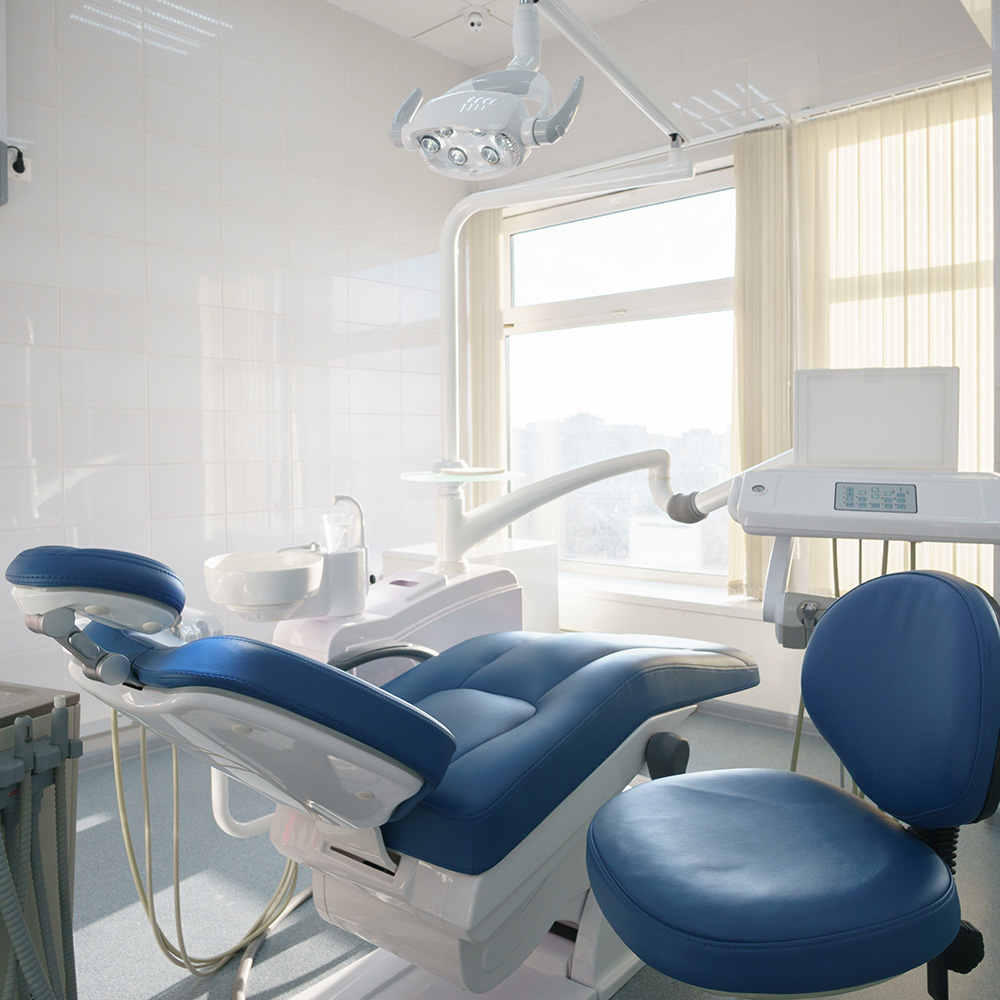
Ready to schedule your next dental appointment or have questions about our services?
Contacting Dentistry of Sugar Land is easy! Our friendly staff is available to assist you with scheduling appointments, answering inquiries about treatment options, and addressing any concerns you may have. Whether you prefer to give us a call, send us an email, or fill out our convenient online contact form, we're here to help. Don't wait to take the first step towards achieving the smile of your dreams – reach out to us today and discover the difference personalized dental care can make.