

ZOOM! Whitening is an in-office professional bleaching system designed to reduce discoloration and visibly brighten natural tooth enamel in a single appointment. The treatment uses a peroxide-based whitening gel that is activated by a safe, controlled light source. When applied by a trained dental team, this combination accelerates the breakdown of stain molecules on the enamel surface and within microscopic enamel pores, producing a notably whiter appearance without invasive procedures.
Unlike over-the-counter products that rely on lower-strength formulas and inconsistent application, ZOOM! is formulated for clinical use and administered under direct supervision. This allows the clinician to control exposure time, adjust for sensitivity, and optimize outcomes for each patient. Because the process is performed in a professional setting, it is possible to monitor progress in real time and make small adjustments to reach the shade goals discussed during the consultation.
Many patients appreciate that ZOOM! can produce dramatic improvements in a comparatively short timeframe. The efficiency of the in-office system means that people who have busy schedules can often complete their whitening in a single visit. While results vary based on the type and depth of staining, ZOOM! is widely recognized among dental professionals as an effective option for those seeking a brighter smile with predictable clinical oversight.
One of the primary differences between in-office ZOOM! Whitening and store-bought kits is professional customization. In the dental office, the whitening protocol is tailored to your unique enamel characteristics and the nature of your stains. The clinician evaluates dental restorations, existing sensitivity, and the underlying causes of discoloration before recommending ZOOM! or another approach. This individualized plan helps avoid disappointing results and reduces the likelihood of uneven whitening.
Another important distinction is the concentration of active ingredients and the controlled activation process. Over-the-counter products use milder concentrations for safety in unsupervised settings, which often means slower or less noticeable change. In contrast, ZOOM! utilizes a professionally administered system that can safely deliver stronger whitening effects because it is applied in short, monitored cycles with protective measures for gums and soft tissues.
Finally, clinical supervision provides a safety net: if a patient experiences sensitivity or other concerns during the appointment, the dental team can pause, adjust the protocol, and recommend immediate care strategies. This level of oversight is not available with home kits, making in-office whitening a preferred choice for patients who want efficient, consistent, and professionally managed results.
Your appointment begins with a brief evaluation and conversation to confirm that whitening is an appropriate option for you. The dentist or hygienist will check for restorations, untreated decay, or gum issues that should be addressed first. Once cleared, the process moves to the treatment chair where protective barriers are placed to shield the lips and gums from the whitening gel.
The whitening gel is applied in carefully measured layers and activated with the ZOOM! light in timed intervals. Many practices perform three or four light cycles, with short rests between each application so the clinician can assess progress and comfort. Most patients find the experience tolerable and report that any discomfort is mild and temporary. The total in-office time generally fits within a single appointment, making it convenient for anyone with a busy schedule.
After the final cycle, the gel is removed, and a neutralizing agent or fluoride may be applied to help reduce sensitivity and support enamel comfort. The clinician will review short-term care instructions—what to eat and drink immediately after treatment and how to protect your new shade over the following days. If desired, a customized take-home maintenance kit can be prepared to help preserve results between professional visits.
Sensitivity is the most commonly reported side effect of professional whitening, and it is typically short lived. The dental team will screen for factors that increase sensitivity risk, such as thin enamel, exposed dentin, active gum disease, or recently completed dental work. When sensitivity is a concern, clinicians can modify the procedure, use desensitizing agents, or suggest a gentler treatment plan that still aims to improve tooth color while prioritizing comfort.
Safety starts with a comprehensive oral exam. Teeth whitening affects natural tooth structure and does not change the color of existing restorations like crowns, veneers, or certain composite fillings. For predictable results, any restorative work may need to be coordinated with the whitening timeline so shade matching can be managed appropriately. Your dental provider will explain how restorations factor into your treatment plan and future cosmetic or restorative steps.
Because whitening outcomes depend on the cause of discoloration, the clinician will determine whether ZOOM! is the best choice for intrinsic stains (deep, internal discoloration) versus extrinsic stains (surface staining from food, drink, or smoking). In some cases, alternative or adjunctive cosmetic procedures may offer better or longer-lasting improvement. The clinical assessment ensures the chosen approach aligns with your goals and oral-health needs.
After a successful ZOOM! Whitening treatment, simple daily habits make a significant difference in how long your results last. Limiting intake of highly pigmented beverages such as coffee, tea, red wine, and dark sodas, along with avoiding tobacco, will slow the return of surface stains. When those foods and drinks are consumed, rinsing or brushing soon afterwards helps prevent new staining from settling into the enamel.
Professional maintenance options include occasional touch-up treatments and custom at-home trays filled with a lower-concentration whitening gel. These maintenance approaches allow you to refresh your shade without repeating the full in-office protocol. Your dental team can recommend a personalized maintenance schedule based on your lifestyle, stain susceptibility, and cosmetic goals.
Regular dental checkups and cleanings also support long-term appearance by removing plaque and surface deposits that can dull the enamel. Combining preventive care with mindful dietary choices and, when appropriate, periodic touch-ups helps ensure your results remain consistent. For many patients, a single in-office ZOOM! session followed by routine maintenance provides a dependable pathway to a confident, radiant smile.
Ready to learn whether ZOOM! Whitening is the right choice for your smile? Dentistry of Sugar Land provides professional whitening consultations to review your goals, examine your oral health, and recommend the safest plan to achieve the shade you want. Contact us for more information and to schedule a consultation with our team.


ZOOM! Whitening is an in-office professional bleaching procedure that uses a peroxide-based gel activated by a controlled light source to accelerate stain breakdown on natural tooth enamel. The activated gel penetrates microscopic enamel pores and helps dissolve stain molecules, producing noticeably whiter teeth without removing tooth structure. Treatments are performed by a trained dental team who monitor progress and adjust the protocol for each patient.
The clinical setting allows for precise application and timed activation cycles, which can produce more predictable results than unsupervised home kits. Protective barriers are used to shield gums and soft tissues while the clinician assesses shade improvement during short rest periods. A neutralizing agent or fluoride may be applied after treatment to support enamel comfort and reduce temporary sensitivity.
A typical appointment begins with a brief evaluation and preparation, including placement of protective barriers for the lips and gums and confirmation that whitening is appropriate. Most practices complete the active whitening in a single visit using several light-activation cycles with short intervals for assessment. The overall visit is designed to fit within a single appointment so patients can often schedule treatment between daily commitments.
After the final cycle the clinician removes the gel and may apply a neutralizing or desensitizing agent to help reduce post-treatment sensitivity. The dental team will provide immediate aftercare instructions and, if desired, prepare a customized take-home maintenance kit. Follow-up recommendations depend on the patient’s response and cosmetic goals.
Good candidates typically have healthy teeth and gums with extrinsic staining from coffee, tea, smoking or certain foods, and they seek a faster, professionally supervised whitening result. The clinician will screen for untreated decay, significant restorations, or gum disease that should be addressed before whitening to ensure safety and predictable outcomes. Patients with thin enamel, exposed dentin, or active sensitivity may still be eligible but often require adjusted protocols or pre-treatment measures.
Intrinsic stains, caused by medications or developmental factors, can be more challenging and may not respond fully to peroxide-based whitening alone. In those cases the dental team will discuss alternative or adjunctive cosmetic options that better match the patient’s objectives. An in-office consultation clarifies expectations and identifies the most appropriate approach for each individual.
Sensitivity is the most commonly reported side effect of bleaching and is usually temporary, occurring as mild discomfort during or shortly after treatment. The dental team screens for risk factors such as thin enamel, exposed dentin, and recent dental work and may choose gentler settings or use desensitizing agents to minimize discomfort. During the appointment clinicians can pause or modify the protocol if a patient reports notable sensitivity.
Post-treatment measures such as topical fluoride, desensitizing pastes, or short courses of at-home desensitizing products often reduce symptoms quickly. For patients with persistent sensitivity the provider will recommend a tailored plan that balances whitening goals with long-term comfort. Regular follow-up ensures any concerns are addressed promptly and safely.
No, professional whitening affects natural tooth enamel and will not change the color of most restorative materials such as porcelain crowns, composite fillings, or veneers. Because restorations do not respond to bleaching, the dental team evaluates existing restorative work during the consultation to plan timing and shade matching. Coordinating whitening before replacing or adjusting restorations helps achieve a harmonious final appearance.
If restorations require adjustment to match a new tooth shade, the clinician can discuss sequencing restorative care after whitening so the final color match is accurate. Patients should inform the dental team about any recent or planned restorative treatments so the provider can recommend the best cosmetic workflow. Proper planning avoids unexpected shade mismatches and supports long-term esthetic results.
The longevity of whitening results varies by individual and depends largely on lifestyle factors such as diet, tobacco use, and oral hygiene habits. Teeth naturally darken over time due to aging and repeated exposure to staining substances, so maintenance strategies are important for preserving shade. Regular professional cleanings and good home care slow the return of surface stains and help sustain results.
Many patients extend their results with periodic touch-up treatments using lower-concentration gels in custom take-home trays or occasional in-office sessions. Your dental team can recommend a personalized maintenance schedule based on how quickly your teeth stain and your cosmetic goals. Combining preventive care with targeted refresh procedures offers the most reliable path to a lasting bright smile.
Preparation usually begins with a dental exam to confirm that teeth and gums are healthy and that there are no untreated cavities or active periodontal issues that would affect safety. A professional cleaning is often recommended before whitening so surface deposits do not interfere with uniform bleaching. Be ready to discuss existing restorations, tooth sensitivity history, and your desired shade so the clinician can tailor the protocol.
On the day of treatment avoid heavy staining foods or tobacco and arrive with good oral hygiene to maximize results. If you have a history of sensitivity mention it during the consultation so the team can plan pre-treatment measures or select a gentler approach. Clear communication helps ensure an efficient appointment and a comfortable experience.
Safety protocols include a thorough oral examination to identify any contraindications, placement of protective barriers over the gums and lips, and professionally timed activation cycles to limit exposure. The dental team monitors the patient throughout treatment and can pause or adjust the procedure if any issues arise. Using clinically formulated gels and following manufacturer-recommended steps reduces the risk of soft-tissue irritation and overexposure.
Aftercare often includes application of fluoride or neutralizing agents and clear instructions to minimize discomfort and protect enamel. The clinician will also advise on how restorations and existing dental work may influence results and what follow-up care is appropriate. These measures ensure whitening is performed with patient safety and comfort as priorities.
Yes, whitening is commonly integrated into broader cosmetic plans, but sequencing matters: bleaching is typically performed before shade-dependent restorations like veneers or crowns to ensure accurate color matching. The dentist evaluates your overall cosmetic goals and may recommend a combination of treatments—such as minor restorative work or bonding—after whitening to achieve the desired final appearance. Thoughtful coordination produces the most natural and lasting esthetic outcome.
Dentistry of Sugar Land offers comprehensive cosmetic planning to help patients choose the right combination of services for their smiles. Your provider will review options, explain how whitening interacts with other treatments, and propose a step-by-step plan that aligns with your oral health and aesthetic objectives. Open communication during the consultation helps set expectations and ensures predictable results.
Maintain results by practicing consistent oral hygiene, including twice-daily brushing with a nonabrasive toothpaste and daily flossing to prevent plaque build-up that can dull enamel. Limiting or moderating intake of staining beverages such as coffee, tea, and red wine, and avoiding tobacco, will slow the return of surface discoloration. When stainable items are consumed, rinsing or brushing soon afterward reduces the chance of pigments settling into enamel.
Consider professional touch-ups and custom take-home trays filled with a lower-concentration whitening gel for periodic refreshes to preserve the chosen shade. Regular dental exams and cleanings support long-term appearance and allow the team to recommend timely maintenance. If you have questions about an at-home maintenance plan or notice increased staining, contact the practice for guidance and a personalized schedule.
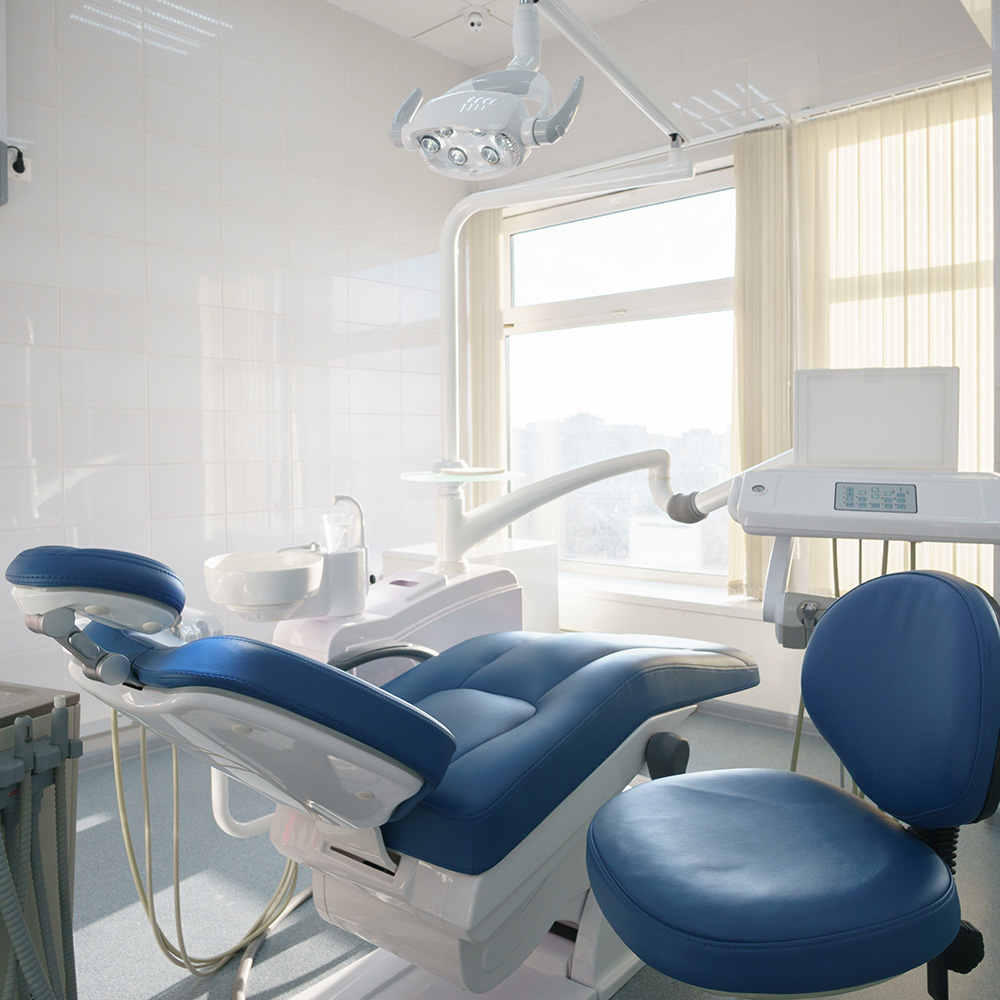
Ready to schedule your next dental appointment or have questions about our services?
Contacting Dentistry of Sugar Land is easy! Our friendly staff is available to assist you with scheduling appointments, answering inquiries about treatment options, and addressing any concerns you may have. Whether you prefer to give us a call, send us an email, or fill out our convenient online contact form, we're here to help. Don't wait to take the first step towards achieving the smile of your dreams – reach out to us today and discover the difference personalized dental care can make.

Back to top